Winter may be hard on your plumbing system. Cold winds, chilly nights, and lowering temperatures may all cause significant difficulties for your tankless water heater. Many people are concerned when the cold weather arrives because frozen pipes and broken units become regular problems. This is why understanding how to winterize a tankless water heater is critical.
With the correct precautions, you can safeguard the unit, prevent expensive repairs, and have consistent hot water all season. In this tutorial, we will take you through each step in simple English so that anybody can easily follow along.
How to Winterize a Tankless Water Heater?
Winterizing your unit may seem complex, but it is not. You simply need to do a few easy activities. These methods will safeguard your heater from freezing damage. Let’s start with the fundamentals.
Shut Off Water and Power to the Unit
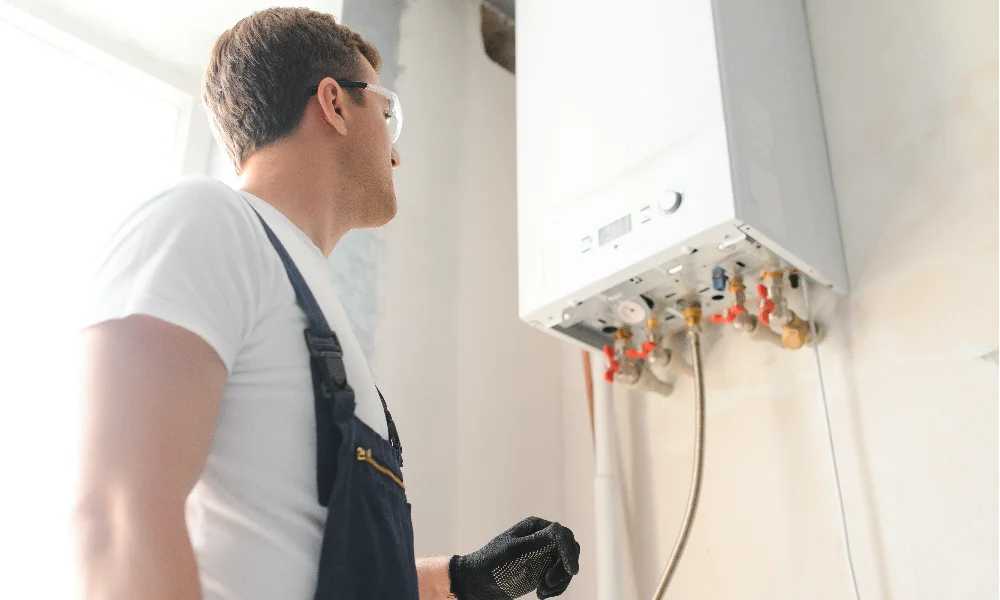
Always switch off the electricity before doing any work. This action ensures your safety. Turn off the gas or electricity as required. Then, switch off the main water supply to the heater. This step prevents water from entering the system. It also avoids ice accumulation within the heater throughout the winter.
Drain the Internal Water Lines
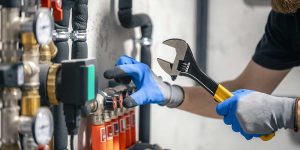
After you’ve turned off the water, open the drainage valves. Allow all of the water to pour out. Keep the valves open until no water flows out. Even a tiny quantity of water might freeze, causing complications. This easy action protects you against leaks and fractures.
Disconnect and Empty Filters, Screens, and Traps
Most tankless units have filters or screens. Remove them with caution. Clean them well and let them dry. Make sure to empty any traps connected to the system. Small water pockets are often hidden in these areas. Removing the water eliminates freezing problems.
Use Compressed Air to Clear Remaining Water (If Recommended)
Some manufacturers recommend utilizing pressurized air. You may force air via the intake valves. This procedure expels the leftover water. Always refer to your handbook before doing this. Not all models enable air flushing. If authorized, apply modest pressure.
Insulate Exposed Exterior Pipes
Exposed pipes tend to freeze quickly. Wrap them with either foam insulation or heat tape. This keeps them warm in the cold. You may also utilize pipe sleeves to provide additional protection. This technique decreases the possibility of a pipe rupture in cold weather.
Install a Tankless Water Heater Cover for Added Freeze Protection
A tankless water heater cover for winter provides an additional layer of protection. It protects against cold winds and ice. It also contributes to the preservation of heat in the vicinity of outdoor units. Choose winter-appropriate coverings. They provide improved insulation and weather resistance. This tiny step yields significant rewards.
Do Tankless Water Heaters Need to Be Winterized?
Many folks have this same question. The answer is dependent on your location and heater placement. Let’s break it down.
When Winterization Is Necessary?
When your heater is exposed to cold conditions, it must be winterized.
Outdoor or Garage-Mounted Units
Units put outside freeze fast. They are immediately exposed to the chilly air. Garage units also become quite chilly. Winterization becomes a need for them.
Homes in Freezing Climates
If your neighborhood has snow or ice, your heater needs winter maintenance. Even momentary freezes may harm internal components.
Seasonal or Vacant Properties
Empty dwellings do not remain warm. Water within pipes freezes quickly. Winterizing tankless water heater systems in such households eliminates significant harm.
When Winterization Is Not Necessary?
Some heaters are safe without winter preparation.
Indoor Units in Heated Areas
Units put within heated rooms have a lower freezing danger. These heaters seldom need winterization.
Homes in Mild or Non-Freezing Climates
If you have a mild winter, you may not need to take any actions. Still, light insulation improves safety.
Units With Reliable Power and Proper Insulation
Some devices have built-in frost protection. If your insulation is enough, you may avoid winterization. However, it is usually a good idea to check once.
What Happens if a Tankless Water Heater Freezes?
Failure to winterize might result in costly damage. Frozen water expands and damages the interior system.
Cracked Heat Exchangers
The heat exchanger is the key component. It can tolerate high temperatures and pressures. When it freezes, fractures occur readily.
Damaged Internal Sensors or Valves
Frozen water prevents movement within sensors. This leads to mistakes. It may potentially harm internal valves.
Leaking Connections or Ruptured Pipes
Ice exerts strain on pipes. They rupture when they are unable to withstand the stress. Leaks emerge when the ice melts.
Loss of Hot Water Until Repaired
A frozen or damaged device will cease operating. You lose hot water until the repairs are completed. This is stressful in the winter.
Additional Tips to Protect a Tankless Water Heater in Winter
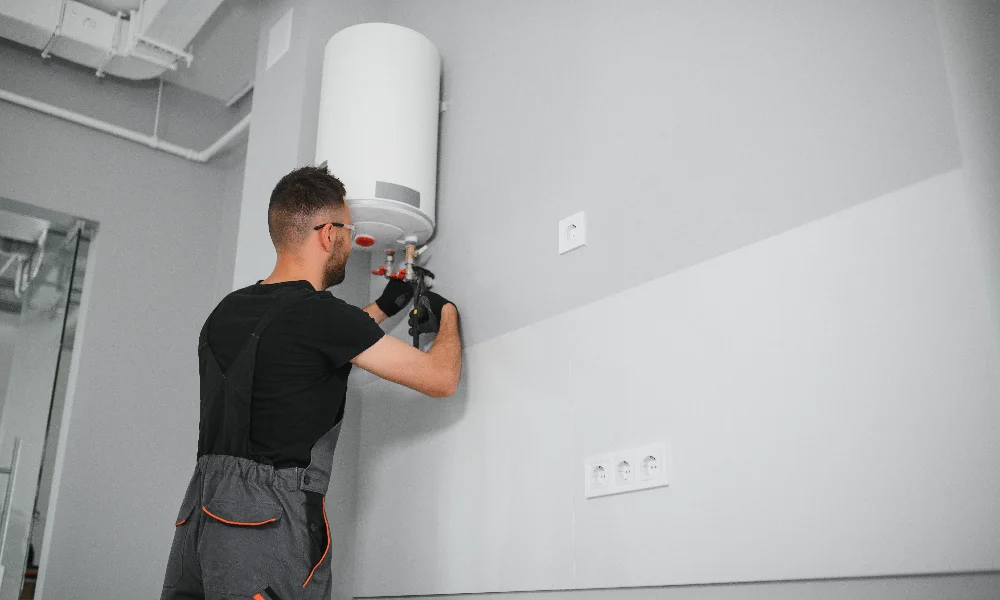
Along with the methods outlined above, a few more behaviors will keep your heater safe.
Keep the Area Around the Unit Warm
Warm air helps to avoid freezing. You might have a tiny heater nearby. Make sure the air flows freely.
Install Pipe Heating Cables Where Needed
Heating wires heat the pipes. They prevent ice from developing. They operate nicely in outdoor settings.
Maintain a Small Drip to Prevent Line Freezing
Allowing water to trickle avoids ice accumulation. It keeps the water flowing. This method is useful on particularly chilly evenings.
Schedule a Winter Inspection Before Temperatures Drop
An expert inspection might help discover hidden problems. Fixing them early saves money. This maintains your unit winter-ready.
Have a Technician Add Professional Insulation to Exposed Pipes
Experts understand the appropriate materials. They put the insulation appropriately. Their work provides enhanced winter protection.
FAQs
What Should a Tankless Water Heater Be Set at in Winter?
Most people maintain it at 120°F to 125°F. This setup works fine. It delivers safe and consistent hot water throughout the winter.
What Is the Most Common Problem With Tankless Water Heaters?
Mineral accumulation is quite prevalent. It influences heating speed. Regular cleaning helps to resolve this problem.
Call Prime Plumbing & Drains for Water Heater Repair in Noblesville, IN
A Final Word Before Winter Comes
Winter does not have to be a bad thing for your tankless heater. When you know how to winterize a tankless water heater, you can avoid complications. Using insulation, emptying water, and installing a tankless water heater cover for winter makes a significant difference. These easy procedures can protect your heater against cracks, leaks, and expensive repairs.
Prime Plumbing & Drains provides experienced winter protection for your system. We also assist with repairs, inspections, and comprehensive maintenance. Visit the link below to book your service now.
Choose Prime Plumbing & Drains for safe and dependable plumbing services. Contact us right now!