Knowing exactly how much water your home uses can save you money as well as help prevent waste. Many municipalities now require water meters to ensure fair billing and responsible water management. If you are considering getting a water meter installed, it’s important to understand the process, the factors that can affect installation, and why hiring a licensed plumber makes a difference. In this guide, you’ll discover how water meters are installed, what impacts their placement and performance, and how professional installation protects your plumbing system for years to come.
How to Get a Water Meter Installed
If you are planning on getting a water meter installed, the process usually involves coordination between your local water utility and a licensed plumber. First, the utility confirms whether your property needs a meter and explains the permit requirements. After that, a qualified plumber evaluates your water line, prepares the installation site, and installs the meter according to approved standards. The process also includes proper pipe preparation, pressure testing, and final inspection to ensure the system works safely and accurately.
Contact Your Local Water Utility to Confirm Requirements
Before installation begins, you should contact your local water provider. Water utilities control how meters are approved, installed, and inspected. They may also define where the meter must be placed and which equipment is allowed.
1. Verify Whether a Meter Is Required
Some properties already include a meter, while others may rely on flat-rate billing. The utility will confirm if your property must switch to metered water usage. This requirement often applies during renovations, property upgrades, or new plumbing connections.
2. Confirm Permit and Inspection Guidelines
Most municipalities require permits for plumbing modifications that involve the main water line. The water department usually outlines permit rules and inspection procedures. Following these rules prevents installation delays and avoids compliance issues.
3. Determine Utility-Specific Standards
Each utility provider has its own meter specifications. They may require certain meter sizes, fittings, or approved connection assemblies. Confirming these details early helps the plumber install the correct equipment and avoid rework later.
Hire a Licensed Plumber to Handle the Installation
Water meter installation affects the main water supply entering your home. Because of this, the work should always be handled by a licensed professional who understands plumbing codes and safety procedures.
1. Evaluate Your Existing Water Line
A plumber first examines the main service line. They check the pipe material, size, and condition. Older lines may need adjustments before a meter can be safely installed.
2. Coordinate With the Utility on Approvals
In many cases, the plumber communicates with the water department during the process. They confirm approved meter types, schedule inspections, and ensure the installation meets local standards.
3. Schedule Installation and Inspection
Once the site is ready, the plumber schedules the installation. After the work is completed, the local utility may inspect the system before activating the meter for official use.
How a Professional Will Install Your Water Meter
A licensed plumber follows a structured process to ensure the meter measures water usage correctly and does not interfere with your plumbing system.
1. Inspect the Main Water Line
The plumber first locates the main service line that supplies water to the property. This pipe usually runs from the municipal water connection into the building or basement area. Inspecting the line helps identify space for the meter assembly.
2. Verify Meter Location and Accessibility
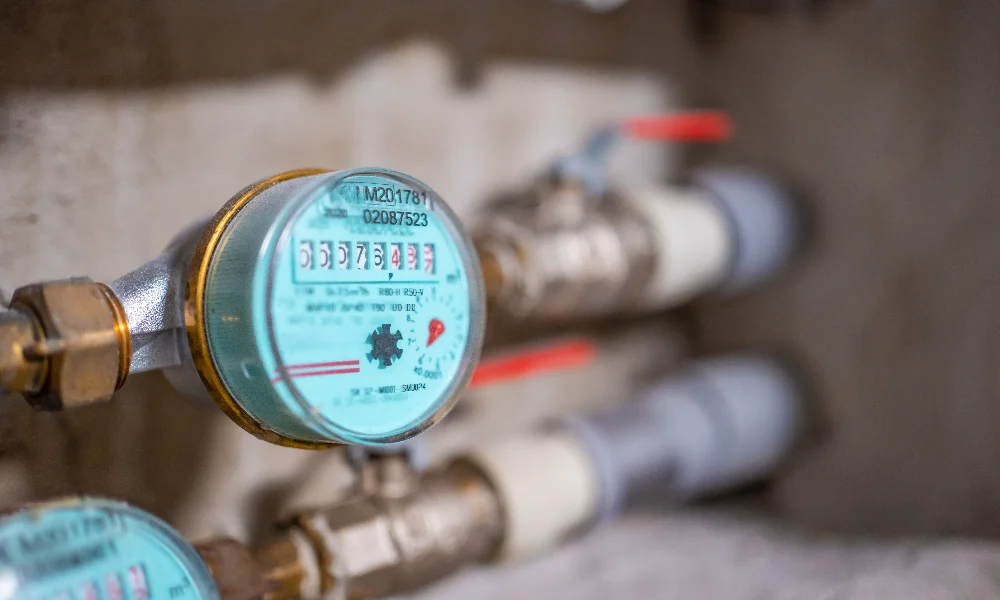
Proper placement is critical. The meter must remain accessible for maintenance and readings. Many homeowners ask where the water meter is located, and the answer depends on the property layout. It is often placed near the main shut-off valve in a basement, utility room, or outdoor meter box.
3. Shut Off the Water Supply
Before any pipe work begins, the plumber shuts off the main water supply. This step prevents water flow during installation and protects the plumbing system from pressure surges.
4. Cut and Prepare the Pipe
Next, the plumber measures the pipe section where the meter will be installed. They carefully cut the pipe and prepare the ends for fittings or couplings that connect the meter.
5. Install the Meter and Connection Assembly
The water meter is then placed between the pipe sections. A connection assembly holds the meter securely and allows accurate flow measurement. The meter must be aligned correctly to ensure water flows in the proper direction.
6. Secure and Seal Connections
After positioning the meter, the plumber tightens all fittings and seals the joints. Proper sealing prevents leaks and protects the meter from pressure fluctuations.
7. Restore Water Supply
Once the assembly is secured, the main water supply is slowly turned back on. The plumber checks the meter to ensure water flows through it correctly.
8. Perform Pressure and Leak Testing
Testing is essential after installation. The plumber examines the connection points for leaks and verifies that the pressure remains stable. According to the U.S. Environmental Protection Agency, household leaks waste nearly 10,000 gallons of water each year on average. Proper testing helps prevent such losses.
9. Complete Final Inspection and Activation
After testing, the utility inspector may review the installation. If everything meets code requirements, the meter becomes active and starts recording water usage.
Factors That Affect Installation
Several factors influence how easily a water meter located on your property can be installed. It can be straightforward or more complex, depending on your property and plumbing setup. Some homes allow quick access, while others may require extra preparation. Knowing what to expect helps ensure a smooth installation and reliable operation of your meter.
Property Layout
The position of the main water line determines where the meter can be placed. Some homes have exposed basement plumbing, which makes installation simple. Others require outdoor meter pits or access panels.
Existing Plumbing Configuration
Older plumbing systems may need updates before a meter can be added. Corroded pipes, unusual pipe sizes, or outdated materials can complicate installation. A plumber evaluates these conditions before starting work.
Utility Approval Requirements
Some utilities require specific meters or remote reading systems. Others require inspections before and after installation. Meeting these rules ensures the system records water usage accurately.
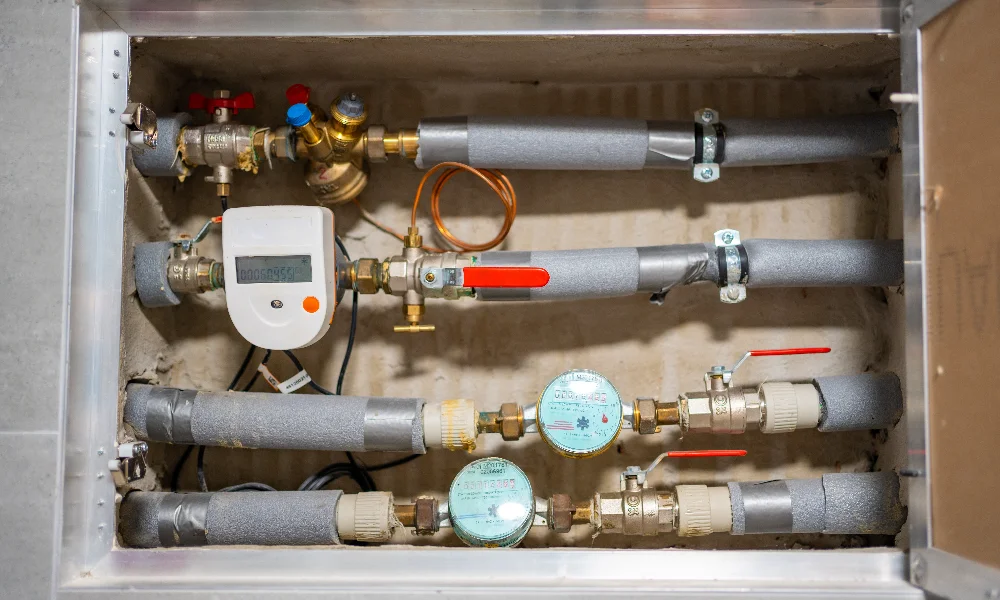
The Importance of Getting a Water Meter Fitted by a Professional
Having a water meter installed by a professional ensures your system works efficiently and accurately from the start. Expert installation reduces the risk of mistakes, saves time, and protects your plumbing investment. It also provides confidence that your water usage will be measured correctly for years to come.
Helps Ensure Accurate Water Billing
A properly installed water meter accurately records the water your property consumes. Inaccurate installation or faulty connections can lead to billing errors, overcharges, or underreported usage. According to experts, precise metering is essential for fair billing and efficient water management, helping homeowners pay only for the water they actually use.
Makes It Easier to Detect Hidden Leaks
Water meters provide real-time insight into your home’s water consumption. Sudden spikes in usage can indicate hidden leaks, such as pinhole pipe cracks or faulty fixtures. Detecting these early with a correctly installed meter can prevent costly water damage and reduce unnecessary water loss.
Supports Better Water Usage Monitoring
Tracking water usage over time allows homeowners to spot inefficiencies and adjust habits. Metered systems promote responsible water use by showing which appliances or routines consume the most water. Many municipalities encourage or require metered systems because they support sustainable water management and help conserve local resources.
May Be Required for Property Compliance or Upgrades
In many areas, installing a water meter is not just practical—it’s required. Municipal codes may mandate meters during property renovations, plumbing upgrades, or when connecting to new service lines. Proper installation ensures your home meets local standards, avoids potential violations, and maintains compliance for future property sales or inspections.
FAQs
Is It Worth Getting a Water Meter Installed?
Yes, many homeowners benefit from metered water usage. Instead of paying a flat rate, you pay based on actual consumption. This encourages efficient water use and helps identify leaks earlier.
Can I Install My Own Water Meter?
It is not recommended. Installing a meter involves modifying the main water line and meeting local code requirements. A licensed plumber ensures the system is safe and approved.
How Long Does It Take to Install a Water Meter?
Most installations take a few hours. However, the timeline depends on pipe accessibility, permit approvals, and inspection scheduling.
Where Should the Water Meter Be Located?
Many homeowners ask where a water meter is located in a typical property. It is usually placed near the main water shut-off valve where the service line enters the building. The location must remain accessible for maintenance and meter readings.
Schedule Water Meter Installation With Prime Plumbing & Drains in Noblesville, IN
Installing a water meter requires careful planning, correct pipe connections, and compliance with local utility requirements. This guide explained how the process works, what factors influence installation, and why professional work ensures accurate water measurement.
If you want reliable plumbing support, professional help can prevent mistakes and protect your water system. The team at Prime Plumbing & Drains understands how proper plumbing installation connects with leak prevention and long-term system health. You can also learn helpful tips about protecting your home from plumbing issues https://primeplumbingdrains.com/how-to-prevent-water-damage-from-plumbing-leaks-in-westfield.
If you are planning to get a water meter installed, contact Prime Plumbing & Drains in Noblesville, IN. Our experienced plumbers can evaluate your plumbing system, coordinate with local utilities, and install your water meter safely and correctly.