Your garbage disposal works hard every day, until it suddenly slows down or clogs at the worst time. When that happens, it is tempting to pour in a quick chemical fix without thinking twice. But before you decide to put drain cleaner in the garbage disposal, it is important to understand what that choice really does to your system. Using the wrong method can damage internal parts and even your pipes. Here, you will learn what actually happens inside your disposal, safer ways to clear blockages, and how to keep everything running smoothly.
Can You Put Drain Cleaner in a Garbage Disposal?
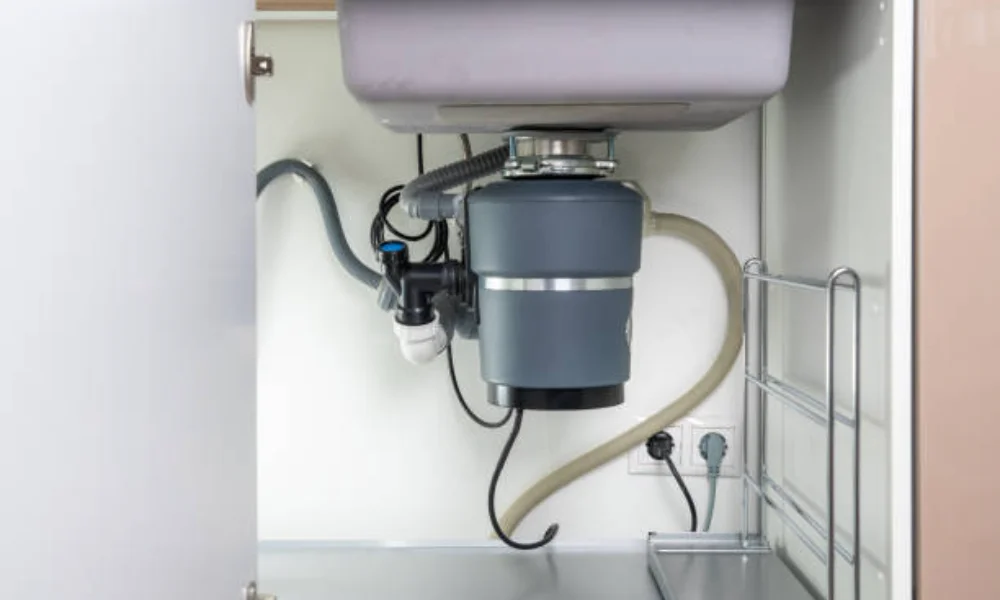
A garbage disposal is specially designed to grind food waste into tiny particles, but it is not built to handle harsh chemicals. Many homeowners assume liquid cleaners are a quick fix. However, using them inside a disposal can create more harm than relief. This is where understanding drain cleaners for garbage disposal becomes important because not all products are designed for these systems. Moreover, the internal parts, seals, and pipes react differently to chemical exposure, which can worsen the condition instead of improving it.
Why Chemical Drain Cleaners Are Not Recommended
Chemical drain cleaners contain strong ingredients like sodium hydroxide or sulfuric acid. These substances are meant to dissolve organic matter, but they also react aggressively with metal and rubber parts inside the disposal system.
Furthermore, disposals rely on blades, seals, and internal chambers that are sensitive to corrosion. When harsh chemicals enter the system, they do not selectively target only food buildup. Instead, they impact every surface they touch. This is why experts often warn against the routine use of drain cleaners for garbage disposal in household plumbing systems.
Risks of Using Drain Cleaner in a Garbage Disposal
Using chemical cleaners may seem convenient, but the risks are significant and long-term.
Damage to internal blades and components
The grinding components inside a disposal are made to break food mechanically. Chemical exposure weakens metal surfaces over time. Eventually, blades lose efficiency and struggle to process waste properly.
Corrosion of pipes and seals
Strong drain chemicals can eat away at rubber gaskets and metal pipes. This leads to slow leaks and structural weakening in connected plumbing lines.
Chemical residue trapped in the unit
Not all chemicals flush out completely. Residual solution may sit inside the disposal chamber, which increases ongoing corrosion risk and can create unpleasant odors.
Ineffective results for food and debris buildup
Most clogs in disposals are caused by grease, fibrous food, or solid particles. Chemicals do not always break these down effectively, which means the blockage often remains unchanged.
How Do You Unclog a Drain With a Garbage Disposal?
Clogged disposals require careful handling because the system combines electrical and plumbing components. Safe clearing methods focus on removing blockages mechanically rather than chemically. However, always ensure safety first because the unit can activate unexpectedly if mishandled.
1. Turn off the power before attempting any fix
Always disconnect the power supply at the breaker or unplug the unit. This prevents accidental activation during cleaning.
2. Clear visible debris safely
Use tongs or a tool, never your hands, to remove food particles. This helps clear minor obstructions near the opening.
3. Use a plunger or reset the disposal
A sink plunger can help dislodge blockages in the drain line. If the unit is jammed, use the reset button at the bottom of the disposal.
4. Flush with water to restore flow
After clearing, run cold water through the system. This helps wash away loosened particles and restores normal drainage.
5. When to call a professional
If clogs persist or the motor struggles, professional help is necessary. You can get expert help through garbage disposal repair and installation services from trusted plumbing specialists at Prime Plumbing & Drains. Our technicians handle complex blockages safely without damaging the system.
Problems Caused by Improper Drain Cleaning Methods
Incorrect cleaning practices often create more serious plumbing issues than the original clog. Many homeowners underestimate how sensitive disposal systems are to chemical and mechanical stress.
Damaged Disposal Motor or Components
Harsh chemicals and improper tools can strain the motor. Over time, this reduces grinding power and leads to frequent breakdowns.
Worsening Drain Blockages
Instead of dissolving buildup, chemicals may push debris further into pipes. This creates deeper blockages that are harder to remove.
Increased Risk of Plumbing Leaks
Corrosion from chemicals weakens pipe joints. Eventually, small leaks develop, which can spread into cabinets and flooring areas.
Costly Repairs or Replacement
A damaged disposal system often cannot be repaired economically. In many cases, full replacement becomes the only solution, increasing household expenses.
How to Prevent Garbage Disposal and Drain Issues
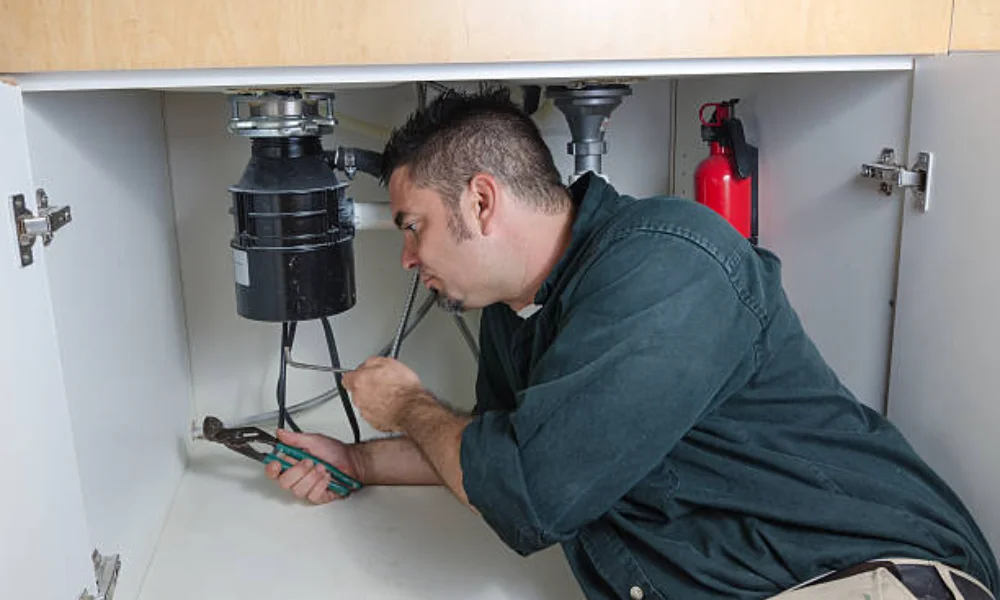
Prevention is always more effective than repair when it comes to kitchen plumbing systems. Small habits can significantly alleviate the risk of clogs and damage. Here are a few suggestions that can help to prevent garbage disposal and drain issues.
- Avoid grease, fibrous foods, and hard debris
Grease may look harmless when hot, but it cools and sticks to pipe walls, forming thick blockages over time. Fibrous foods like celery or corn husks often wrap around the impellers and restrict movement. Hard food items such as bones or fruit pits can strain or jam the motor, leading to premature wear and internal damage.
- Run cold water during and after use
Cold water keeps fats in a solid state, so the disposal can break them into smaller particles instead of letting them coat the pipes. Running water for at least 15–20 seconds after grinding also helps carry debris fully through the drain line, which reduces buildup deeper in the system.
- Clean the disposal regularly
Food residue and grease can collect inside the grinding chamber and create odors or bacterial growth. Using mild, non-corrosive cleaners or natural solutions helps remove buildup without harming internal components. This approach is far safer than relying on a drain cleaner for a garbage disposal, which can damage seals and metal parts over time
- Schedule routine drain maintenance
Even with proper use, small amounts of buildup can develop inside pipes where you cannot see them. Professional inspections use proper tools to identify early signs of blockage, corrosion, or wear. According to one of the Sriger publication facts, oils, fats, and grease are a leading cause of sewer blockages in residential systems, which highlights the importance of preventive maintenance.
FAQs
Can You Use Baking Soda and Vinegar in a Disposal?
Yes, it is generally safe when used in moderation. It helps reduce odor and light buildup. However, it does not replace deep cleaning or mechanical clearing.
What Should You Never Put in a Garbage Disposal?
Avoid grease, bones, fibrous vegetables, coffee grounds in large amounts, and chemical cleaners. These materials can damage blades and clog pipes quickly.
Is It Okay To Pour Boiling Water Down A Garbage Disposal?
Boiling water is not recommended. It may soften grease temporarily, but it can also damage rubber seals and joints over time.
Schedule Drain Cleaning With Prime Plumbing & Drains in Noblesville, IN
Garbage disposal issues often start small but grow quickly when handled incorrectly. Chemical cleaners may seem like a shortcut, but they can damage your entire plumbing system. Safe cleaning methods and preventive care are always better choices for long-term performance.
If your disposal is clogged, slow, or making an unusual noise, professional help is the safest option. You can rely on Prime Plumbing & Drains for expert diagnosis and repair. Our team handles disposal issues with care and ensures your system runs smoothly without unnecessary damage. Reach out to us today to schedule a service and keep your kitchen plumbing working efficiently year-round.