
A sewer gas odor in the basement is more than just an unpleasant smell; it can indicate serious plumbing problems that threaten your health, safety, and home. Ignoring it may lead to hidden leaks, structural damage, or even hazardous gas buildup. Knowing what causes these odors, how they spread, and the steps needed to stop them helps you protect your family and prevent costly repairs. Acting quickly ensures a safer, cleaner living environment and keeps your basement free from persistent sewer gas issues.
What Causes Sewer Gas Odor in a Basement?
A sewer gas odor in the basement usually points to plumbing issues that need attention. It can result from leaks, dry traps, or venting problems, allowing gases to escape indoors. Even minor issues can worsen over time, affecting air quality, health, and the integrity of your plumbing system. Identifying the source early helps prevent bigger, costlier problems.
Dry or Faulty Floor Drains
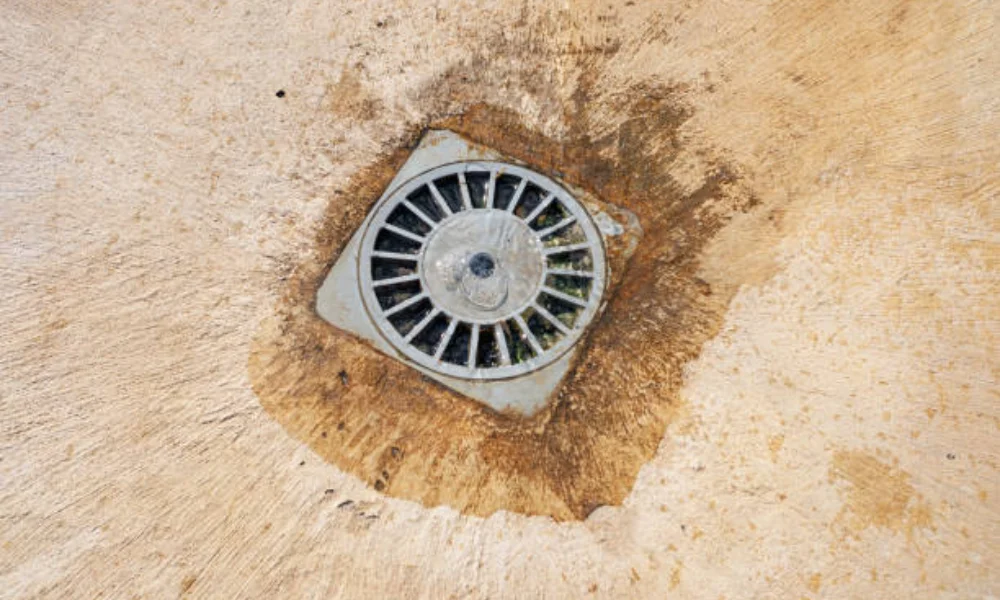
Floor drains in basements are designed to create a water barrier, known as a trap seal, preventing sewer gases from entering living spaces. However, when a floor drain dries out due to infrequent use, the seal breaks, allowing foul odors to escape. Additionally, worn or damaged drain components can fail to maintain a proper seal, allowing sewer gas odor to continuously escape.
Cracked or Misaligned Sewer Lines
Over time, foundation shifts, tree roots, or natural wear can cause cracks or misalignment in sewer lines. These breaches allow gases to leak into the basement rather than flow safely into the main sewer system. Even small cracks can produce persistent smells. According to the U.S. Environmental Protection Agency (EPA), at least 23,000 to 75,000 sanitary sewer overflow events occur annually in the United States due to blockages, leaks, and infrastructure failures, highlighting the importance of timely upkeep and inspections to prevent plumbing issues and sewer gas problems.
Venting System Problems
Every plumbing system has vent pipes that safely vent sewer gases above the roofline. If vents are blocked, poorly installed, or damaged, gases may seek alternate escape routes, often entering basements or living areas. Inadequate venting can also create negative pressure, drawing odors through drains and fixtures, which becomes especially noticeable in low-lying basement areas.
Defective Cleanouts or Uncapped Lines
Cleanouts allow access to plumbing for maintenance. If the caps are left uncapped or damaged, sewer gases can escape freely into your basement. Similarly, uncapped plumbing extensions from renovations or incomplete installations create an open pathway for odors. Even a small opening can compromise indoor air quality and contribute to persistent sewer gas odor.
Why Sewer Gas Odor Is a Serious Concern in Homes
A basement with a sewer gas odor isn’t just unpleasant; it can affect health and safety. Exposure to harmful gases may cause respiratory issues, while persistent leaks can lead to hidden water damage or structural problems. Acting quickly helps protect your family, maintain air quality, and prevent costly plumbing repairs.
Health and Safety Risks From Gas Exposure
Sewer gases contain hydrogen sulfide, methane, ammonia, and other harmful compounds. Prolonged exposure, even at low levels, lead to headaches, nausea, dizziness, and respiratory irritation. Methane is flammable, increasing fire or explosion risks if it accumulates in enclosed areas. Children, the elderly, and those with respiratory conditions are particularly vulnerable, making early detection essential.
Odors Spreading Through Living Spaces
Gas escaping in a basement doesn’t always stay confined. Air circulation, HVAC systems, and structural openings allow smells to migrate, affecting the comfort of the entire home. Persistent odors can degrade air quality, create unpleasant environments, and make living areas less appealing to occupants and visitors.
Potential for Hidden Plumbing Damage
A lingering smell often signals underlying plumbing problems, such as cracked pipes, failed joints, or blocked vents. Overlooking these signs can lead to water damage, mold growth, as well as costly repairs. Homeowners who address the source of the odor promptly can avoid extensive restoration projects and maintain the integrity of their plumbing system.
How Plumbers Find and Eliminate Sewer Gas Odors
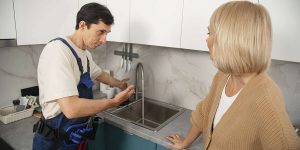
Professional plumbers identify and eliminate sewer gas odor by thoroughly inspecting your plumbing system for leaks, blockages, and failing components. They use specialized cameras and diagnostic tools to pinpoint hidden problems that aren’t visible to the naked eye. By addressing the root cause, balancing venting, and repairing damaged pipes or traps, they ensure the odor is fully resolved, prevent recurring issues, and safeguard your home’s air quality and overall plumbing health.
Inspect Sewer Lines for Cracks, Leaks, or Failed Joints
Plumbers often use high-resolution cameras to inspect underground sewer lines. This method identifies cracks, misaligned joints, corrosion, and other defects without unnecessary digging. Once located, leaks are repaired, or pipes are replaced, stopping sewer gas from escaping. If you are interested in understanding the full process, see Prime Plumbing & Drains’ sewer line replacement guide in Noblesville.
Evaluate Trap Seals and P-Trap Installation
Trap seals in sinks, floor drains, and toilets act as barriers for gases. Plumbers verify that traps contain the correct water depth and are installed properly. If traps are dry or defective, they refill or replace them. Correct trap maintenance is essential to effectively eliminate sewer gas odor.
Inspect Floor Drains and Low-Use Fixtures
Basement floor drains and rarely used fixtures are common entry points for odors. Professionals check for dry traps, blockages, or improper installation. Simple measures, such as refilling traps with water or adding a small amount of mineral oil, can restore their seal and stop odor migration.
Diagnose and Correct Vent System Issues
Venting problems often require a thorough evaluation. Plumbers ensure that roof vents are unobstructed, vent pipe diameters meet code requirements, and system pressure is balanced. Correcting these issues prevents gases from being drawn into basements rather than venting them safely outside.
Repair or Replace Damaged Drain and Sewer Piping
Where leaks or damage are found, plumbers may repair joints, replace sections of pipe, or reroute plumbing. Using industry-standard materials and methods ensures long-term reliability. Proper repair eliminates persistent sewer gas odor and protects the home from future plumbing failures.
Preventing Future Sewer Gas Odors
Preventive measures are just as crucial as repairing existing plumbing problems. Maintaining water in traps, checking for slow leaks, and ensuring proper venting all help keep gases from accumulating in your basement. Regular inspections and timely upkeep not only reduce the risk of recurring sewer gas odor but also protect your home’s air quality, prevent hidden damage, and ensure that plumbing systems continue to function efficiently. Proactive care keeps your basement safe, clean, and odor-free over the long term.
Schedule Routine Sewer and Drain Inspections
Licensed plumbers recommend regular sewer and drain inspections to detect early signs of damage or wear. These inspections often include checking pipe alignment, trap integrity, and vent functionality using specialized tools like cameras and pressure testers. Addressing small issues early prevents recurring sewer gas odor and avoids costly repairs, ensuring your plumbing system operates safely and efficiently. According to the Environmental Protection Agency (EPA), routine maintenance significantly reduces preventable sewer problems (EPA, 2023).
Keep Floor Drains From Drying Out
Floor drains rely on water in the trap to block sewer gases. Infrequently used drains can dry out, breaking the seal and letting odors escape. Professionals recommend refilling traps regularly and adding a few drops of mineral oil to slow evaporation. This simple step maintains the barrier against harmful gases like methane and hydrogen sulfide, keeping indoor air safe.
Ensure Proper Venting and Airflow
Proper venting balances air pressure in your plumbing system, allowing wastewater to flow smoothly while directing gases safely outside. Blocked, damaged, or improperly installed vents can create negative pressure, drawing odors into basements. Licensed plumbers check vent pipe diameters, roof terminations, and system pressure to ensure safe airflow, which prevents sewer gas odor from entering living spaces.
Monitor Plumbing Fixtures in Basements and Utility Areas
Basement sinks, toilets, and utility drains can develop leaks, clogs, or worn seals over time. Regular monitoring for standing water, corrosion, or damage allows early repairs before gases escape. Maintaining fixtures according to professional standards not only eliminates sewer gas odor but also extends the lifespan of your plumbing system, ensuring long-term safety and efficiency.
FAQs
Is a Sewer Gas Smell an Emergency?
Yes. While low-level odors may not pose immediate danger, persistent or strong smells require prompt action. Methane gas accumulation can be explosive, and hydrogen sulfide can be harmful even at low concentrations.
Is It Safe to Stay in a Home With Sewer Gas?
Short-term exposure to small amounts is usually not life-threatening, but staying in a home with ongoing sewer gas odor is not recommended. Addressing the source quickly ensures safety and prevents long-term health risks.
Schedule Sewer and Drain Service With Prime Plumbing & Drains in Noblesville, IN
A sewer gas odor in the basement signals a problem you should not ignore. Prime Plumbing & Drains in Noblesville, IN, offers professional sewer and drain inspections, repairs, and replacements. Our licensed plumbers use advanced tools and proven methods to identify the source, eliminate sewer gas odor, and restore your home’s safety. Protect your family, improve air quality, and prevent costly damage by scheduling a service today. Visit Prime Plumbing & Drains to request a professional inspection and solution tailored to your basement plumbing needs.