Indianapolis winters can be brutal, and when temperatures drop well below freezing, your home’s pipes are at risk. A burst pipe can release hundreds of gallons of water and cause serious structural damage to your home. Knowing how to prevent frozen pipes in winter is crucial, which is why Prime Plumbing & Drains’ plumbers in Indianapolis, IN, are sharing the following tips to protect your system before the cold sets in.
Why Indianapolis Pipes Are Especially Vulnerable
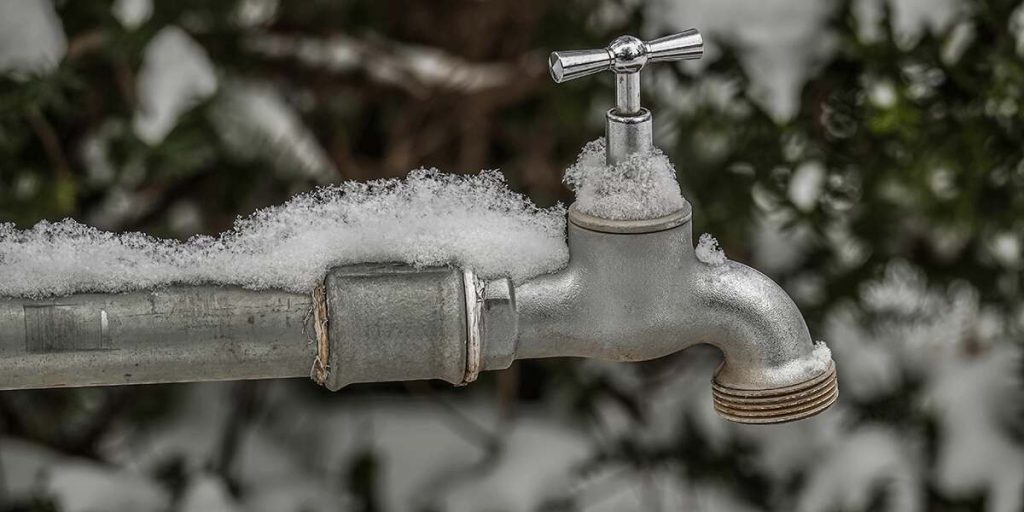
Water expands as it freezes, which can create intense pressure inside your pipes. The pipe can burst, but even if it doesn’t, the damage may not show up right away. If a pipe freezes and develops a crack overnight, you’ll know all about it thanks to the flooding after it thaws the next morning.
Pipes in unheated spaces are the biggest concern. Basements, crawl spaces, attics, garages, and cabinet areas along exterior walls all expose plumbing to much colder air than the pipes in the rest of your home have to handle. Older Indianapolis homes can be especially at risk if insulation has degraded over the years.
How To Prevent Frozen Pipes in Winter: Key Steps To Take Before the Cold
Getting ahead of the cold is the key to keeping your plumbing safe all season. Start with these steps before temperatures drop:
- Insulate exposed pipes: Wrap exposed pipes with foam sleeves or fiberglass insulation. Even a thin layer can make a significant difference against overnight lows.
- Disconnect outdoor garden hoses: Leaving a hose attached traps water in the faucet and the pipe behind it. Drain and store hoses before the first freeze.
- Seal air leaks and drafts: Cold air sneaking in through gaps around windows, dryer vents, and electrical wiring can lower the temperature enough to freeze plumbing. Seal these openings with caulk or insulation.
It also helps keep the indoor temperature consistent for pipes running through the space.
What To Do for Pipes During a Cold Snap in Indianapolis
When temperatures are predicted to stay dangerously low for an extended stretch, a few extra steps may be prudent. Let faucets drip slightly, especially those connected to pipes running along exterior walls or through unheated areas. Moving water is much harder to freeze than standing water, and even a slow trickle can relieve pressure to prevent a pipe from bursting.
You’ll also want to open cabinet doors under sinks in the kitchen and bathrooms. That way, the warm room air can circulate directly around the pipes, keeping them flowing.
Stay Ready All Season Long With Prime Plumbing & Drains
Taking the right steps to prevent frozen pipes in winter protects your home from costly and disruptive damage. Even incorrect pipe construction and fittings can affect your home’s vulnerability during cold snaps, and a professional can keep you from making a serious plumbing mistake.
At Prime Plumbing & Drains, we help Indianapolis homeowners stay ahead of common plumbing problems throughout the year. If you need help, call Prime Plumbing & Drains at (317) 210-4858 to keep your Indianapolis home working as it should.