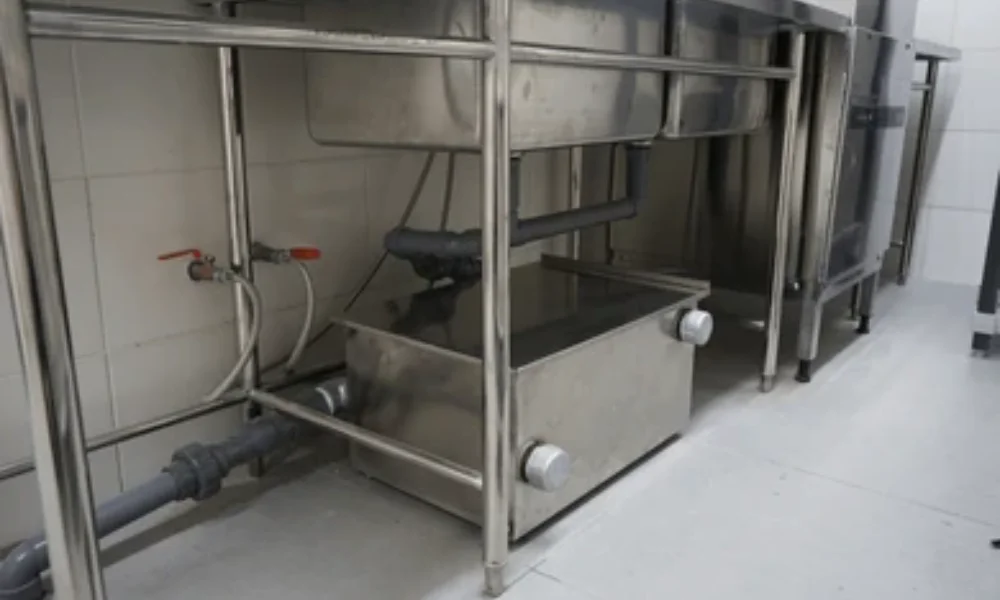
Running a restaurant means more than preparing great meals; you also need to manage kitchen waste properly. One essential part is the grease trap, which collects fats, oils, and food solids before they enter the sewer system. Neglecting this task can lead to plumbing issues, unpleasant odors, and health code violations. In this guide, you will learn how to safely and efficiently clean a restaurant’s grease trap, understand the ideal cleaning frequency, recognize warning signs that require professional service, and avoid costly problems.
How to Clean a Grease Trap in a Restaurant: What Professionals Do
Cleaning a restaurant’s grease trap is more than just scooping out visible grease. Professionals follow a systematic process to ensure every part of the trap is free of buildup, protecting plumbing systems and maintaining kitchen hygiene. The steps include inspecting grease levels, removing fats and solids, scraping trap walls and baffles, properly disposing of grease waste, and rinsing the system. Understanding each stage helps restaurant owners manage routine maintenance and prevent expensive emergencies.
Inspect and Measure Grease Levels
The first step is to assess the grease accumulation in the trap. Professionals open the trap and check the thickness of the grease layer on the water surface. Accurate measurement ensures the trap is cleaned at the right time, preventing overflow into the drainage system. The U.S. Environmental Protection Agency reports that sewer pipe blockages are a leading cause of sewer overflows, and grease buildup from foodservice operations is a primary contributor to these blockages. This highlights why properly maintaining your grease trap is essential for preventing costly plumbing issues.
Completely Remove Fats, Oils, and Solids
Once inspected, the contents, fats, oils, and solid food particles are removed using scoops, shovels, or vacuum pumps. This step is critical because leftover grease can harden and block drainage lines, causing costly repairs. It is also the stage at which restaurant grease trap systems can begin emitting unpleasant odors if maintenance has been neglected. Professionals ensure all floating grease and solids at the bottom are cleared to restore proper flow.
Scrape and Clean Trap Walls and Baffles
After removing the bulk of the grease, the walls and baffles inside the trap are scraped and scrubbed. This prevents leftover residues from sticking and accumulating quickly again. Tools like wire brushes or scraper tools are used, and cleaning agents approved for food environments may be applied. Skipping this step can lead to persistent grease traps that smell so bad, making the kitchen unpleasant and affecting staff comfort.
Properly Dispose of Grease Waste
Collected grease and solids must be disposed of in accordance with local regulations. Many areas require restaurants to use approved waste disposal services rather than pouring grease down drains. Proper disposal not only ensures compliance but also reduces environmental impact. Some facilities even recycle restaurant grease into biofuel.
Rinse the System and Perform a Final Check
The final step is to flush the trap with water to remove any remaining residues. Professionals check for leaks, ensure water flows smoothly, and verify that the trap is functioning correctly. Performing a thorough rinse reduces the risk of early re-accumulation and helps maintain hygienic kitchen standards. This step is often overlooked by DIY attempts, which is why hiring trained personnel is recommended.
How Often Should Restaurant Grease Traps Be Cleaned?
Grease trap cleaning frequency varies based on kitchen operations. Regular maintenance prevents plumbing problems and reduces foul odors. A trap that is ignored will quickly become ineffective, forcing costly repairs or emergency services.
Factors That Affect Cleaning Frequency
Kitchen Size and Food Volume
Larger kitchens or those serving high volumes of food produce more grease. These establishments require more frequent cleaning. Small cafes may need monthly cleanings, while high-capacity kitchens may require weekly maintenance.
Type of Food Prepared
Restaurants that cook fatty foods, such as fried items, dairy-based dishes, or fast food, accumulate grease faster. In contrast, salad bars or vegan eateries generate less grease, extending the cleaning interval.
Trap Size and Capacity
The capacity of the grease trap affects how quickly it fills. Undersized traps clog faster, even with moderate kitchen use. Professionals recommend sizing traps appropriately and monitoring levels for optimal performance.
When to Schedule a Professional Grease Trap Service
Even with regular cleaning, grease traps can accumulate stubborn buildup, reducing efficiency. This can lead to slow drains, unpleasant odors, or unexpected backups. Professional services can remove hidden grease, restore proper flow, and ensure compliance with health standards. Scheduling timely help keeps your kitchen running smoothly and prevents costly plumbing problems.
Persistent Odors Despite Routine Maintenance
If grease traps smell so bad even after regular cleaning, it usually means grease and food residues are stuck in hard-to-reach areas, such as baffles, walls, or pipes. Pros have the tools as well as expertise to safely eliminate these hardened deposits, restoring proper function and eliminating persistent odors.
Slow Drains or Frequent Backups
Sluggish drains or recurring backups indicate the grease trap is no longer operating efficiently. These issues can lead to overflows, disrupt kitchen operations, and increase wear on plumbing systems if not addressed promptly.
Failed Health Inspections
Grease trap neglect can lead to failed health inspections due to poor maintenance and potential contamination. Professional cleaning ensures compliance, helping restaurants avoid fines, penalties, or operational shutdowns.
Repair or Replace Damaged Drain and Sewer Piping
Grease trap neglect can lead to failed health inspections due to poor maintenance and potential contamination. Professional cleaning ensures compliance, helping restaurants avoid fines, penalties, or operational shutdowns.
Rapid Grease Accumulation Between Cleanings
Some kitchens generate grease faster than expected, causing traps to fill quickly. A professional evaluation can verify the trap’s capacity and ensure it functions properly, preventing frequent clogs and maintaining smooth kitchen operations.
Problems Caused by Skipping Grease Trap Cleaning
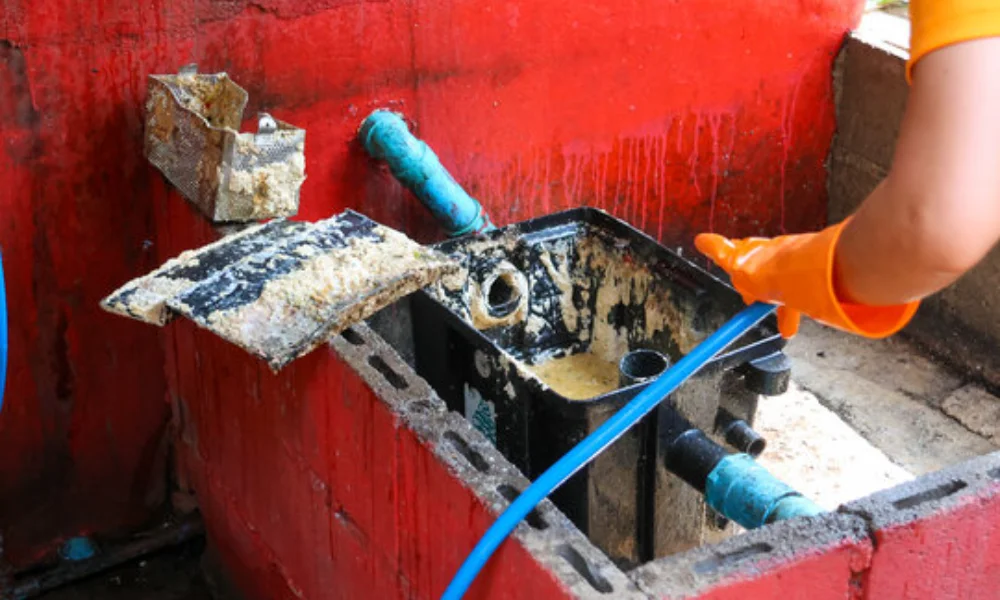
Neglecting grease trap maintenance can quickly create plumbing and hygiene problems. Grease buildup may cause clogs, slow drains, and foul odors in the kitchen. It can also lead to health code violations as well as potential fines. Over time, ignoring maintenance increases the risk of costly plumbing emergencies that disrupt daily operations.
Sewer Line Clogs and Drain Backups
Grease that accumulates in pipes can harden over time, causing serious clogs and backups. According to the National Association of Sewer Service Companies, grease-related blockages account for over 70% of restaurant sewer backups. These blockages can halt kitchen operations and often require urgent professional plumbing intervention.
Strong Odors in the Kitchen and Dining Areas
Overflowing or clogged grease traps release foul odors that affect both staff and customers. Persistent smells can make the kitchen environment unpleasant and even harm the restaurant’s reputation if left unaddressed.
Health Code Violations and Fines
Failing to maintain a grease trap regularly increases the risk of health code violations. This can lead to fines, mandatory cleaning requirements, or temporary closure until issues are resolved, impacting both operations and revenue.
Increased Risk of Plumbing Emergencies
Neglected grease traps put extra strain on plumbing systems, increasing the likelihood of leaks, blockages, and pipe corrosion. These emergencies often result in costly repairs and can disrupt daily kitchen activities.
FAQs
Why Do Grease Traps Smell So Bad?
Grease traps contain fats and oils that decompose over time. Bacteria break down the waste, producing sulfur-like odors. Regular cleaning minimizes this problem and keeps kitchens sanitary.
How Long Does It Take to Clean a Restaurant's Grease Trap?
Professional cleaning typically takes 30–60 minutes per trap, depending on size and level of buildup. Complex or heavily neglected traps may require additional time and specialized equipment.
What Tools are Needed for Grease Trap Cleaning?
Tools include scoops, scrapers, wire brushes, and wet/dry vacuums. Professionals may also use approved cleaning agents, hoses, and inspection tools to ensure complete removal of grease and solids.
Call Prime Plumbing & Drains for Commercial Grease Trap Cleaning in Noblesville, IN
Proper maintenance of restaurant grease traps ensures smooth kitchen operations, prevents foul odors, and protects plumbing systems. If your establishment is struggling with slow drains, persistent odors, or rapid grease buildup, it’s time to seek professional help. Prime Plumbing & Drains offers expert commercial grease trap cleaning services in Noblesville, IN, using safe disposal methods and thorough cleaning techniques. Learn more about avoiding plumbing problems by checking our guide on clogged drains.