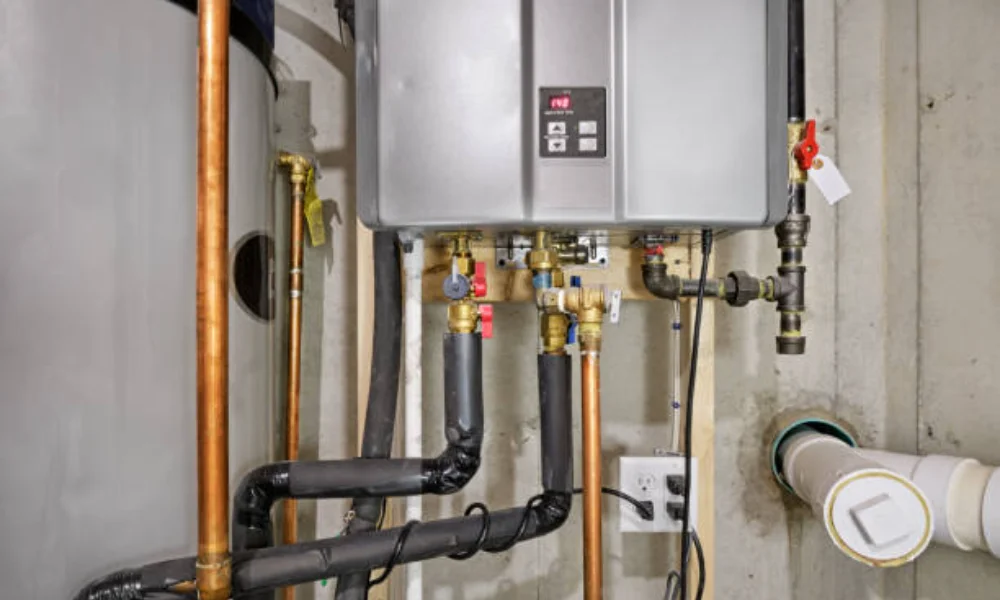
Hot water is something you expect instantly, but delays can quickly become frustrating. Many homeowners start wondering about the time it takes for the gas water heater to heat up when showers turn cold, or recovery feels slow. This topic matters because heating time affects comfort, energy bills, and system performance. Let us learn what impacts heating speed, why delays happen, and how to improve efficiency with practical insights.
How Long Does a Gas Water Heater Take to Heat Up?
A gas water heater usually needs about 30 to 60 minutes to heat a full tank, but you often get usable hot water much sooner. The heating process works in cycles, which means the system gradually brings water up to the set temperature instead of heating everything at once. If heating feels slower than usual, it may indicate reduced efficiency or internal wear. Consistent performance is a sign your system is working properly, while delays often point to underlying issues that need attention.
Factors That Affect Gas Water Heater Heating Time
Tank Size (Capacity)
Larger tanks store more water, which naturally increases heating time. In real use, this means recovery takes longer after showers or heavy usage. Based on standard residential systems, smaller tanks regain hot water faster, while larger units prioritize capacity over speed.
Burner Size (BTU Rating)
The BTU rating reflects how much heat the burner can produce per hour. Higher BTU units heat water faster, but only when the burner is clean and functioning correctly. In field inspections, restricted burners often reduce actual output despite a high rating.
Incoming Water Temperature
Water entering the tank varies by season and location. During colder months, groundwater temperature drops, which extends heating cycles. This is a common and expected behavior in colder climates and not always a system fault.
Thermostat Setting
The thermostat controls the target water temperature, which directly affects heating duration. Industry standards often recommend around 120°F for safety and efficiency. Higher settings increase heating time and energy use without always improving comfort.
Sediment Buildup in the Tank
Mineral deposits usually settle at the bottom of the tank and create a barrier between the burner as well aswater. This reduces heat transfer efficiency and forces longer heating cycles. According to the U.S. Department of Energy, sediment buildup can reduce efficiency and increase energy consumption in water heaters.
Age of the Water Heater
Several gas water heaters have a lifespan of 8–12 years under normal conditions. As components age, internal wear and corrosion reduce heating efficiency. This often results in slower performance and inconsistent hot water delivery.
Gas Supply or Pressure
Consistent gas pressure is critical for proper burner operation. Even small fluctuations can reduce heating efficiency and extend recovery time. In many service cases, supply issues are identified only after performance noticeably declines.
Why Does My Gas Water Heater Take So Long to Heat Up?
The time it takes for your gas water heater to heat water depends on how efficiently the system can transfer heat and maintain consistent performance. Several internal and external conditions influence this process, often working together rather than in isolation. When even one element underperforms, the overall heating cycle slows down. You may notice longer wait times, uneven hot water supply, or faster depletion during use. Understanding these influencing factors helps you assess whether your system is operating normally or showing early signs of inefficiency.
Sediment Buildup in the Tank
Mineral deposits naturally form in water heaters, especially in areas with hard water. Over time, these minerals settle at the bottom and create a dense layer that interferes with heat transfer. This forces the system to use more energy to achieve the same results, which increases heating time.
Incorrect Thermostat Settings
Thermostat calibration directly affects heating performance and safety. If the setting is too low or inaccurate, the system may cycle inefficiently and fail to reach consistent temperatures. Most professionals recommend keeping it near 120°F to balance efficiency, comfort, and scald prevention.
Aging Heating Components
Over time, key components such as burners and gas control valves experience wear. This reduces heat output and affects how efficiently energy transfers to the water. In service inspections, aging parts are a common cause of delayed heating and uneven performance.
High Household Hot Water Demand
When multiple fixtures run at the same time, the system must recover quickly to keep up. Standard residential units are designed with a specific recovery rate, and exceeding that demand can lead to noticeable delays. This is pretty common in larger households or during peak usage hours.
How Can a Plumber Help Make Your Water Heater More Efficient?
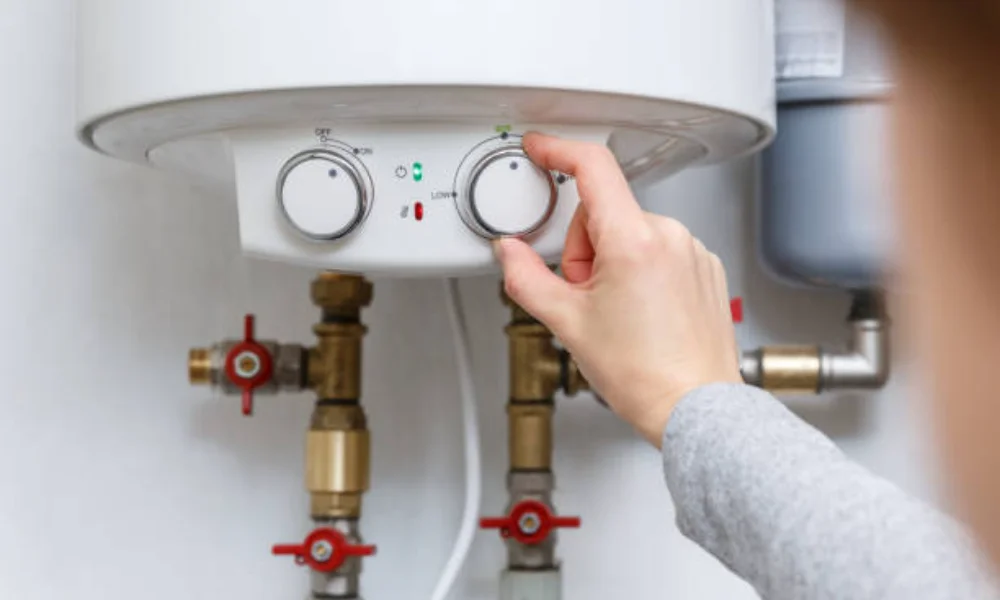
Professional maintenance improves both heating speed and system lifespan. Plumbers address issues like sediment buildup, gas pressure problems, and worn components that affect performance. These services ensure consistent heating and reduce energy waste. Regular inspections also help catch small issues before they turn into costly repairs.
Flush Sediment Buildup From the Tank
Sediment removal is a standard maintenance practice recommended by manufacturers to maintain efficiency. When minerals collect at the bottom, they insulate the water from the heat source. Flushing the tank restores proper heat transfer and helps the system operate at its designed performance level.
Inspect and Adjust the Thermostat Settings
Accurate thermostat calibration ensures the system heats water to the intended temperature without overworking. Licensed plumbers use proper tools to verify settings and adjust them safely. This improves consistency while maintaining energy efficiency and safety standards.
Test the Gas Burner and Heating Components
Burners, gas valves, and ignition systems must operate within specific performance ranges. During professional inspections, these components are tested for proper combustion and output. This ensures steady heating and prevents efficiency loss caused by partial or inconsistent operation.
Check Gas Supply Pressure and Connections
Proper gas pressure is critical for optimal burner performance. Technicians use gauges to measure supply levels and inspect connections for leaks or restrictions. Even minor pressure issues can reduce heating efficiency and delay recovery time.
Inspect the Anode Rod and Internal Tank Condition
The anode rod plays an imperative role in preventing internal corrosion. Over time, it depletes and must be checked to protect the tank lining. A compromised tank condition can reduce efficiency and lead to long-term system damage.
Identify Worn or Failing Components That Reduce Heating Performance
Experienced professionals look for early signs of wear in internal parts such as valves, seals, and connectors. Identifying these issues early helps prevent sudden breakdowns. Replacing worn components restores heating speed and ensures reliable system performance.
If you’re also maintaining your system for seasonal performance, this guide on knowing how to winterize a tankless water heater can help you prevent efficiency issues during colder months.
FAQs
Why Is My Gas Water Heater Not Working?
If your unit stops working, it may be due to ignition failure, gas supply issues, or internal faults. Many homeowners search for why their gas water heater is not working, which often points to pilot light or gas flow problems. It can also indicate faulty thermostats or worn components.
Do Gas Water Heaters Heat Up Faster?
Yes, gas water heaters generally heat water faster than electric ones. They use direct flame heating, which transfers heat quickly.
Is It Cheaper to Run a Gas or Electric Water Heater?
Gas water heaters often cost less to operate due to lower fuel prices. However, actual savings depend on local energy costs and usage patterns.
Is it a Good Idea to Reduce Simultaneous Hot Water Usage?
Yes, reducing simultaneous usage improves efficiency. This helps the system recover faster and maintain a consistent temperature.
Schedule Water Heater Repair With Prime Plumbing & Drain in Noblesville, IN
If you’ve noticed delays in heating, it may be time to evaluate your system’s condition. Issues like sediment buildup, aging parts, or gas supply problems often increase the time a gas water heater takes to heat up. Addressing these early issues improves efficiency and prevents unexpected breakdowns.
Prime Plumbing & Drain provides expert inspection and repair services to restore performance and reliability. Our team focuses on practical solutions that match real household needs. Schedule a professional service today with us to ensure your water heater delivers consistent hot water without delays.