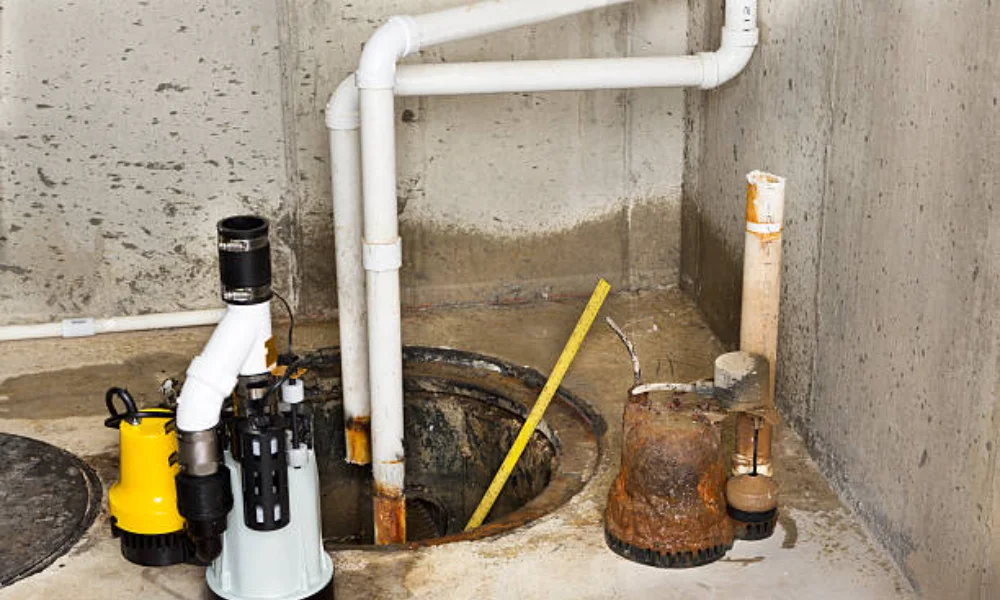
If your basement has ever felt damp after a storm, your sump system may not be doing its job. A clogged sump pump discharge line can stop water from draining away, which means it may flow right back toward your home. This problem often starts small but can quickly turn into costly damage if ignored. In this guide, you will learn how to spot early warning signs, understand what causes these clogs, and take the right steps to fix and prevent them.
How to Tell if a Sump Pump Discharge Line Is Clogged
A sump pump system depends on a clear path to move water safely away from your home. When that path becomes restricted, the entire system starts behaving differently, even if the pump itself is still running. A clogged sump pump discharge line often affects how efficiently water exits, how the pump cycles, and how pressure builds inside the pipe. These changes usually appear gradually, especially during periods of heavy water flow, and they indicate that something is limiting proper drainage. Understanding these performance shifts helps you catch the problem early and protect your home from water damage.
Pump Runs but Water Does Not Exit the Line
If your sump pump turns on but no water exits outside, the line is likely blocked. The motor is working, but water has nowhere to go. This situation can quickly strain the system and increase the risk of failure.
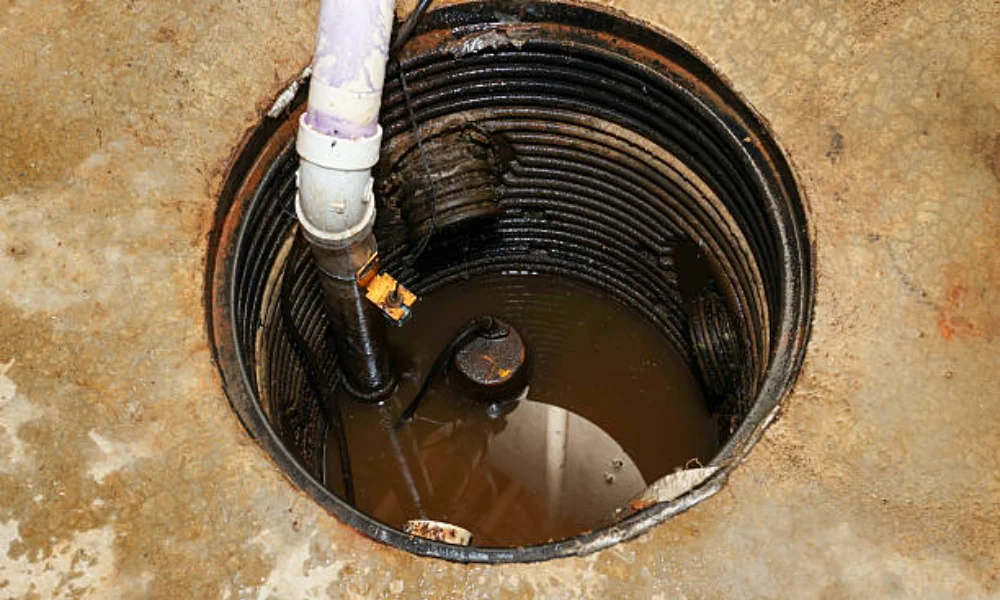
Water Backing Up Into the Sump Pit
When water flows back into the pit, it indicates that the discharge path is restricted. This backflow can cause the pump to cycle repeatedly, which increases wear and reduces efficiency over time.
Slow Drainage During Heavy Rain
During storms, your system should move water quickly. If drainage slows down, it often means the sump pump discharge line has a buildup or blockage. This delay can lead to rising water levels in your basement.
Unusual Noises From the Pump
Strange noises, such as gurgling or vibrating, usually indicate pressure buildup. This happens when water struggles to pass through a blocked section of the pipe.
What Causes a Clogged Sump Pump Discharge Line?
A sump pump discharge system handles constant water flow and outdoor exposure, which can affect its efficiency over time. A clogged sump pump discharge line often develops gradually as internal flow becomes restricted and drainage slows down. These changes may not be obvious at first, but they can reduce how effectively water moves away from your home. As pressure builds inside the line, the pump works harder, which increases wear and risk of failure.
Dirt and Sediment Buildup
Over time, dirt and small particles enter the system and settle inside the pipe. This buildup narrows the passage, which reduces water flow and eventually leads to a clog.
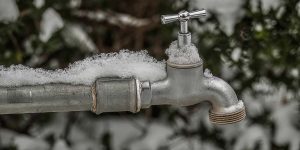
Frozen Discharge Lines in Cold Weather
In colder regions, water inside the pipe can freeze. Ice blocks the line completely, preventing water from exiting. This situation is common when pipes lack proper insulation or slope.
Debris or Small Objects in the Pipe
Leaves, gravel, or small objects can enter the outlet and travel into the pipe. Once trapped, they create partial or full blockages that disrupt water movement.
Improper Line Slope or Installation
If the pipe is not angled correctly, water may sit inside instead of flowing out. Standing water increases the chance of buildup and freezing, which eventually leads to clogs.
How to Unclog a Sump Pump Discharge Line
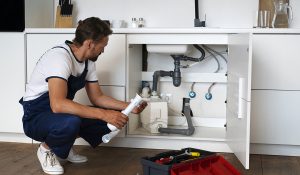
Clearing a blockage requires careful steps to avoid damaging the system. You need to inspect the pipe, remove visible debris, and restore water flow safely. While minor obstructions may be manageable, deeper clogs often require professional tools. Addressing a clogged sump pump discharge line early prevents further complications.
Turn Off the Pump and Inspect the Line
Before doing anything, disconnect power at the breaker to avoid accidental activation. This step protects you from electrical risk and prevents the pump from running without water, which can damage the motor. Once safe, check accessible sections of the discharge line for visible bends, cracks, or blockages. A careful inspection often reveals early signs of restriction that may not yet be severe.
Remove Visible Debris From the Outlet
Start at the outdoor discharge point, where blockages commonly form due to exposure. Clear away leaves, dirt, or ice buildup that may be restricting flow. Even partial obstructions can slow drainage and increase back pressure inside the pipe. Keeping this area clean supports proper water exit and reduces stress on the system.
Flush the Line With Water
After clearing the outlet, flushing the line can help restore internal flow. Use controlled water pressure to avoid damaging pipe joints or fittings. This method works best for minor buildup, as deeper clogs may not respond to surface-level flushing. Consistent flow during flushing is a good indicator that the line is clearing properly.
Clear Blockages With a Plumbing Snake
For more stubborn obstructions, a plumbing snake can reach deeper into the pipe. However, it requires proper handling to avoid puncturing or loosening connections. Professionals use specialized tools and techniques to clear blockages without damaging the system. If resistance feels excessive, it is safer to stop and seek expert assistance.
If the issue feels urgent, you should know when to act quickly. Here is a helpful guide on how to recognize plumbing emergencies and avoid serious damage.
Risks of Ignoring a Clogged Sump Pump Discharge Line
Ignoring the problem can result in serious and costly damage. When water cannot exit your system, it starts affecting your home’s structure and safety. A neglected clog puts continuous stress on your pump and increases the risk of failure.
Basement Flooding
Blocked discharge lines cause water to return to your basement. Even a small clog can lead to significant flooding during heavy rain.
Pump Motor Overworking or Failure
When the pump runs without proper drainage, it works harder than necessary. This strain can overheat the motor and shorten its lifespan.
Water Damage to the Foundation
Excess water around your home weakens the foundation over time. Cracks and leaks may develop, leading to long-term structural issues.
How to Prevent Discharge Line Clogs
A sump pump system works best when water flows freely without resistance, but small restrictions can build up over time and affect performance. A well-maintained sump pump discharge line reduces pressure on the pump and helps it handle heavy water loads more efficiently.
Preventive care also lowers the risk of sudden failure during storms, when the system is under the most stress. Staying consistent with upkeep ensures reliable drainage and protects your home from avoidable water issues.
Install a Discharge Line Cover
A properly fitted cover acts as the first line of defense against external debris entering the pipe. It should be durable, weather-resistant, and sized correctly to avoid restricting water flow. Without this protection, even small debris can enter and settle inside the line over time. Many professionals recommend screened covers that balance protection with proper drainage.
Keep the Outlet Area Clear of Debris
The discharge outlet is exposed to soil, landscaping waste, and seasonal buildup, which can easily block water flow. Regular checks help you remove obstructions before they move deeper into the pipe. Even partial blockage at the outlet can increase internal pressure and reduce efficiency. Keeping this area clear supports consistent and reliable drainage.
Inspect the Line Before Storm Season
Before periods of heavy rain, inspect the discharge line for alignment, visible damage, or early restriction signs. Seasonal changes can shift pipes or create hidden buildup that affects performance. A quick inspection ensures the system can handle increased water volume without failure. This proactive step reduces emergency risks during storms.
Schedule Routine Sump Pump Maintenance
Routine maintenance by a qualified professional ensures the entire system operates as intended. Technicians assess flow rate, check for internal buildup, and verify that discharge pathways remain clear. They also identify wear that may not be visible during basic checks. Regular servicing extends system life and helps prevent unexpected breakdowns.
FAQs
What Is a Sump Pump Discharge Line?
It is the pipe that carries water from your sump pump away from your home. This line ensures water does not return to your basement or foundation.
What Is The Lifespan Of a Sump Pump Discharge Pipe?
Most discharge pipes last 20 to 30 years, depending on material and maintenance. Proper care can extend their usability and prevent early failure.
How Do You Check the Sump Pump Discharge Line?
You can inspect the outlet, listen for unusual sounds, and monitor water flow during operation. A professional inspection provides a more detailed assessment.
Contact Prime Plumbing & Drain for Sump Pump Repair in Noblesville, IN
A clogged sump pump discharge line can disrupt drainage, increase system pressure, and raise the risk of basement flooding when demand is high. Small issues inside the line can quickly affect how efficiently water moves away from your home, especially during heavy rain.
If your sump pump is struggling to drain or showing signs of blockage, professional service can prevent further damage. Prime Plumbing & Drain provides expert inspection, repair, and maintenance to restore proper flow and protect your home. Reach out to us today to get your sump pump system checked before the next storm.