Repiping a home is a major decision that affects both water quality and long-term plumbing performance. Choosing the right material can prevent leaks, reduce maintenance costs, and ensure clean, reliable water for years to come. According to the U.S. Environmental Protection Agency (EPA), the average household’s leaks can waste more than 10,000 gallons of water each year.
Many homeowners ask, “What is the best type of material for a repipe?” This blog explores the leading options, examines their advantages, and explains key factors that influence the right choice for your home. By the end, you’ll understand which material fits your budget, climate, and plumbing needs.
What Is the Best Type of Material for a Repipe?
When deciding what is the best type of material for a repipe, three primary options emerge: PEX (cross‑linked polyethylene), copper, and CPVC (chlorinated polyvinyl chloride).
PEX (Cross‑Linked Polyethylene)
PEX is a flexible plastic pipe that has become very popular in modern repiping projects due to its performance and ease of use.
Flexible and Resistant to Freezing
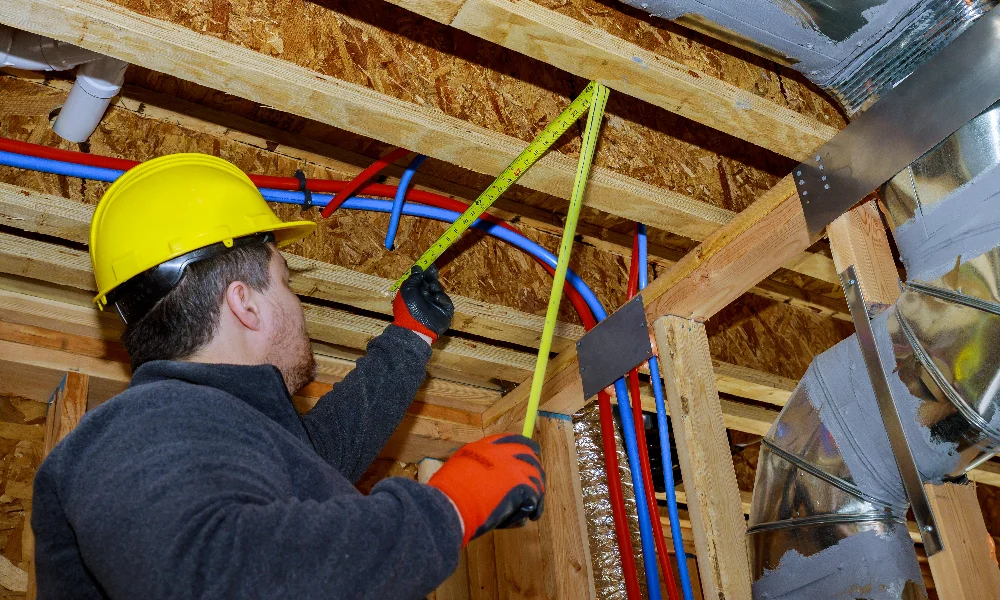
PEX bends easily around corners and through wall cavities without many fittings. Its slight expandability helps it resist bursting if water inside freezes. This makes it ideal in areas with fluctuating temperatures.
Fast Installation and Lower Cost
Because PEX is lightweight and flexible, it’s quicker to install than rigid pipes. Less labor and fewer fittings mean lower overall costs for many homeowners.
Long Lifespan With Minimal Corrosion
PEX doesn’t corrode like metal pipes, reducing the risk of rust, scale build‑up, and leaks over time. Its resistance to corrosion keeps water quality high.
Copper Piping
Copper stands up well under high heat and pressure, making it a solid choice for hot water lines. Long‑term performance is one reason many professionals still recommend it.
Highly Durable and Heat‑Resistant
Copper stands up well under high heat and pressure, making it a solid choice for hot water lines. Long‑term performance is one reason many professionals still recommend it.
Excellent for High‑Pressure Systems
Because copper is rigid and strong, it handles high‑pressure water well without deformation or cracks.
Long Proven Track Record but Higher Cost
Copper pipes can last around 50 years or more when installed correctly, but they are generally more expensive than plastic alternatives like PEX or CPVC.
CPVC (Chlorinated Polyvinyl Chloride)
CPVC is a plastic alternative to both copper and PEX. It sits between the two in cost as well as performance.
Affordable and Corrosion‑Resistant
CPVC resists corrosion similarly to PEX and is often more affordable than copper. It’s a cost‑effective solution for homes with moderate budgets.
Suitable for Hot and Cold Water Lines
CPVC can handle both hot as well as cold water applications, making it a versatile choice for various plumbing systems.
More Brittle in Cold Climates
Unlike PEX, CPVC is more rigid and can become more brittle in very cold temperatures, making it less desirable in freezing environments.
Factors That Determine the Best Choice
Determining the best type of material for a repipe is not one‑size‑fits‑all. Different conditions and priorities lead to different choices. This section discusses the key factors that should influence your decision: the age of your home and its pipe layout, local water quality, your budget and maintenance needs, and local climate conditions.
Home Age and Existing Pipe Layout
Older homes with complex plumbing systems may benefit from a more flexible material like PEX because it’s easier to retrofit through walls and behind fixtures.
Local Water Quality and Mineral Content
High mineral content in water, or corrosive water chemistry, can affect certain metals like copper more than plastics. Testing your water helps you make a material choice that resists corrosion and buildup.
Budget and Long‑Term Maintenance Needs
PEX often has lower upfront costs and installation ease, while copper may have higher longevity but a higher initial expense. Your budget and how long you plan to own the home should guide your choice.
Climate Conditions and Freeze Risk
Cold climates with freezing risks may steer you toward materials with better freeze resistance—such as PEX—over more brittle plastics or rigid metals.
Is PEX or Copper Better for Plumbing?
When choosing between PEX and copper, each has its strengths and trade‑offs. The table below offers a direct comparison to help you decide which material fits your repiping goals:
Feature | PEX | Copper |
Cost & Installation | Lower cost, faster install | Higher cost, labor‑intensive |
Corrosion/Scale Resistance | Excellent resistance | Good but subject to some corrosion |
Freeze Resistance | Excellent—expands rather than bursts | Poor—more likely to burst |
Performance in High‑Heat Areas | Good for most systems | Excellent heat tolerance |
Code/Regulation Compatibility | Approved in many regions | Widely understood and accepted |
Suitability for High‑Pressure Systems | Good | Excellent |
When Preferred | Budget‑friendly, flexible, freeze risk | Long lifespan, high heat, traditional builds |
FAQs
Which Plumbing Pipes Last the Longest?
Copper pipes have a longer expected lifespan—often 50 years or more—compared to PEX, which typically lasts 30–50 years.
What Type of Pipe Is Not Recommended For a Water Line?
PVC (non‑chlorinated) is not recommended for indoor potable water supply because it can release chemicals and is not rated for hot water use. CPVC or PEX is safer for water lines.
Should I Repipe My House with PEX
If cost savings, ease of Installation, and freeze resistance matter, PEX is often a solid choice. Should I repipe my house with PEX? It’s a common question, and for many homeowners, it’s an excellent fit, especially in cold climates or older homes.
Contact Prime Plumbing & Drains for Repiping Services in Noblesville, IN
Choosing the best type of material for a repipe depends on your home’s condition, budget, and future plumbing goals. Whether you prefer the flexibility and cost savings of PEX, the durability of copper, or the corrosion resistance of CPVC, Prime Plumbing & Drains can help guide your decision and perform a high‑quality installation.
Serving Noblesville, IN, and nearby areas, Prime Plumbing & Drains provides expert repiping services backed by professional experience and customer satisfaction. Visit Prime Plumbing or call today to schedule a consultation and upgrade your home’s plumbing with confidence.