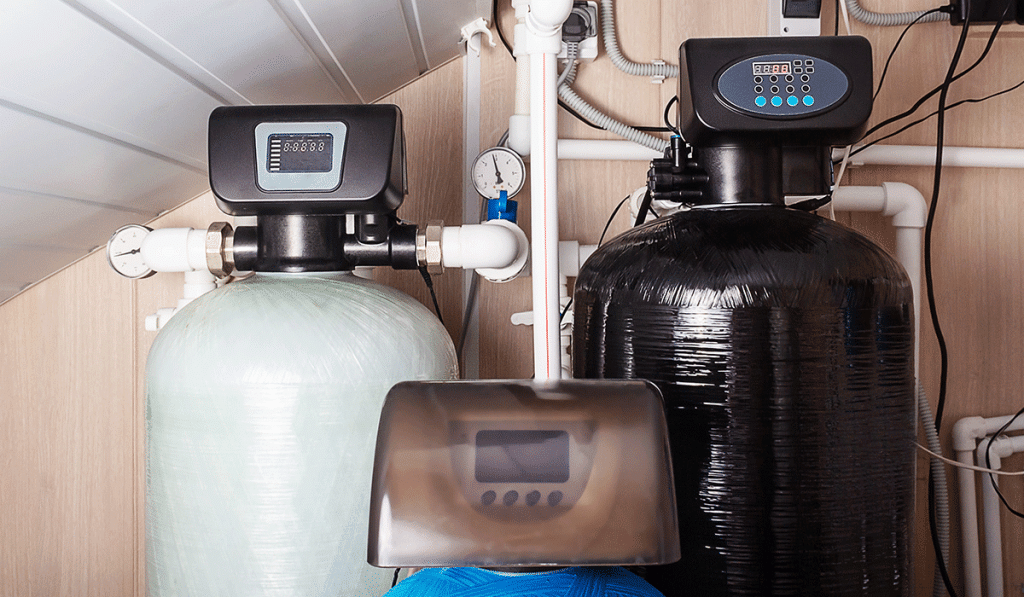
You’ve refilled the brine tank, but now what? Many homeowners assume the job is done once the salt goes in, but a few follow-up steps can help keep your system running optimally. If you’re unsure what to do after adding salt to your water softener, this guide is for you.
Prime Plumbing & Drains will walk you through the right steps, common problems, and how to maintain your system. For hands-on help, check out our water softener services in Noblesville, IN. Maintaining your water treatment system is vital, especially when you consider other common plumbing problems that might arise in your home.
What To Do After Adding Salt to a Water Softener
After refilling the brine tank, take a few minutes to check on the system before walking away. Here’s what to do:
- Check the water softener’s salt level and avoid overfilling: The salt level should sit three to four inches below the top of the tank. Overfilling leads to clumping that blocks proper brine production.
- Break up any salt bridges or crust buildup: Use a broom handle to probe the salt for a hardened crust. Salt bridge formation creates a gap between the salt and water.
- Run a manual regeneration cycle if needed: If the system has been low on salt for a while, triggering a regeneration cycle manually flushes residual hard water and resets the resin bed.
- Inspect the brine tank for proper operation: Look for excess standing water and confirm that the float valve moves freely. High water levels can signal a drain or valve problem.
- Confirm the system is softening water correctly: Run hot water from a tap and feel for the slippery quality that soft water produces. Rough or spotty water means something still needs attention.
Common Problems After Adding Salt
Even after a proper refill, problems can surface. Watch for:
Salt Bridging or Mushing
Salt bridge formation leaves a hardened crust over an air gap, so the system thinks it has salt even when no brine is actually being formed. Salt mushing is similar but happens at the bottom of the tank, where dissolved salt recrystallizes into sludge that blocks the brine draw.
The System Not Regenerating Properly
If the regeneration cycle doesn’t complete, hard water passes through untreated. Check that the timer or demand settings are correct and that there’s enough salt and water to finish a full cycle.
Low Water Pressure or Reduced Performance
A clogged brine line or resin issue can reduce pressure throughout the home. Reviewing common water softener installation mistakes can help you rule out setup errors. If your home relies on a private water source, understanding well pump operation cycles helps ensure your water softener functions under proper pressure.
How Often Do You Add Salt to a Water Softener?
For many households, a monthly salt refill schedule works well. Commercial kitchens require unique maintenance schedules, similar to how restaurants learn to clean grease traps to prevent system failures. Most systems use 30 to 50 pounds of salt per month, but usage varies based on your setup.
Factors That Affect Salt Usage
While residential systems are standard, there are significant differences when exploring industrial plumbing applications for commercial-scale water treatment. A few variables determine how quickly your system burns through salt, including the following:
- Household water usage. For homeowners looking to track their water usage more accurately, installing a sub-meter is a great project for getting water meters set up correctly.
- Size of the water softener
- Hardness level of the water
What Happens if You Don't Maintain Proper Salt Levels?
Without enough salt, the resin beads can’t complete the hard water mineral removal process. Calcium and magnesium ions pass through untreated instead of being exchanged.
Hard Water Returning to Fixtures
Scale on faucets, spots on dishes, and dry skin after showering are early signs that hard water is coming back. These symptoms often appear gradually, making it easy to overlook the cause.
Increased Wear on the System
Running a softener without adequate salt stresses the resin bed and internal components, shortening the unit’s lifespan. Protecting your equipment from extreme weather is essential, which is why winterizing tankless heaters is a recommended seasonal task.
FAQs
Still have questions about what to do after adding salt to a water softener? Read on for answers from our pros.
How Do I Know if My Water Softener Is Regenerating Properly?
A healthy regeneration cycle typically lasts one to two hours, and your water will feel noticeably softer afterward. Check your control panel for cycle logs or error codes if you’re unsure whether a cycle completed.
How Much Salt Should a Softener Use a Month?
Most systems use 30 to 50 pounds per month, depending on household size and water hardness. Usage well outside that range is worth investigating with a professional.
Contact Prime Plumbing & Drains for Water Softener Services in Noblesville, IN
At Prime Plumbing & Drains, we help Noblesville homeowners with repairs, maintenance, and full installations focused on protecting water quality. We provide full-service water softener repairs and installations to keep systems at their best. Call Prime Plumbing & Drains at (317) 210-4858 for help with what to do after adding salt to water softener systems in Noblesville.