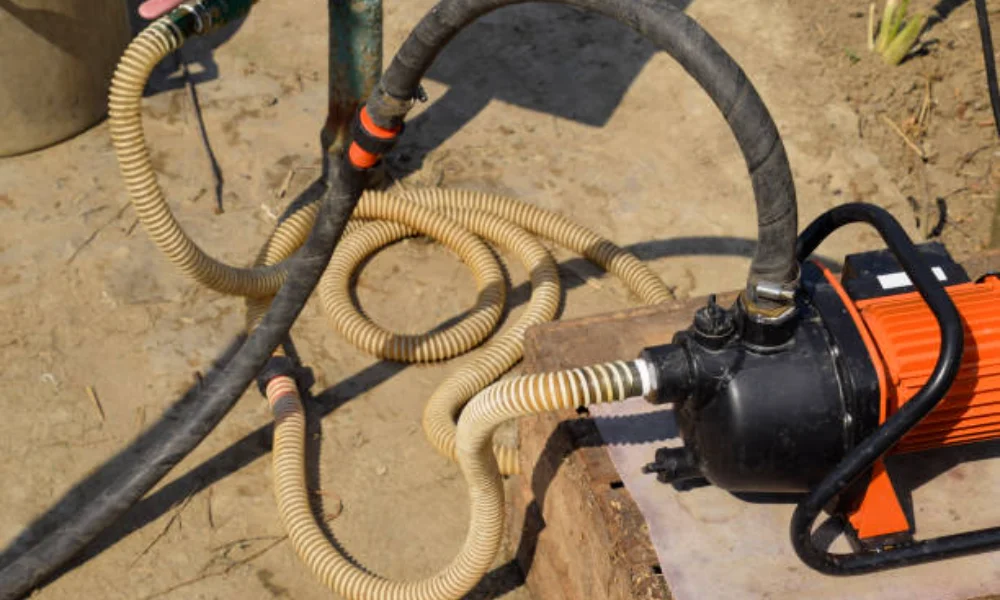
A private well system is only as reliable as its water pressure, and when your pump stops moving water, it can quickly disrupt daily life. This often happens after maintenance, a power outage, or when water levels drop. Knowing the way to prime a well jet pump ensures your system starts up smoothly and keeps water flowing when you need it most. In this guide, you’ll discover how jet pumps work, step-by-step priming techniques, factors that affect priming time, and tips to prevent losing prime in the future.
Do Well Jet Pumps Need to Be Primed?
Yes, most shallow and deep well jet pumps require priming before they can move water. Unlike submersible pumps that stay underwater, a jet pump for a well sits above ground. Because of this design, the pump must first be filled with water so it can create suction. Without water inside the pump housing, it cannot pull water from the well.
When homeowners talk about priming a well jet pump, they are referring to filling the pump and suction line with water to remove trapped air. This process allows the pump to build pressure and start moving water through the system. It usually involves several steps. Each step matters because even small air pockets can prevent the system from working properly.
How to Prime a Well Jet Pump
- Turn Off Power to the Pump
Safety always comes first. Before touching the pump, switch off the breaker that powers the unit. Water and electricity together create a serious risk. Cutting power also prevents the pump from starting while you work.
- Access the Priming Port
Most jet pumps include a small plug or bolt on the top of the pump housing. This opening is the priming port. Removing the plug exposes the chamber where water must be added. Some systems require a wrench to loosen the plug.
- Fill the Pump With Water
Slowly pour clean water into the priming port until the chamber fills completely. This step removes air from the pump body and suction line. Continue adding water until it remains at the top and no longer drains down quickly.
- Seal and Restart the System
Replace the priming plug tightly to prevent air leaks. After sealing the port, restore power at the breaker panel. The pump should begin pulling water through the line once it starts running.
- Check for Proper Water Flow
Turn on a nearby faucet to test the system. Water should flow steadily without air bursts. If pressure fluctuates or air continues entering the line, the pump may require additional priming or inspection.
How Long Does Priming Take?
The time required for priming a well jet pump depends on several system conditions. Some pumps regain prime within a few minutes, while others may take longer if air remains in the suction line. In many cases, the pump starts delivering water shortly after restarting, but deeper wells or long piping systems can extend the process.
Several technical factors influence how quickly a jet pump for a well builds suction and restores water flow. Understanding these elements helps homeowners identify why a pump takes longer to prime.
Factors That Affect Priming Time
Depth of the Well
Deeper wells require the pump to lift water over a longer distance. This increases the suction effort needed to pull water into the system. According to the U.S. Department of Energy, pumps connected to shallower wells typically regain prime faster because there is less vertical distance for the water to travel, reducing the load on the pump. If your well is particularly deep, expect priming to take more time, and ensure your pump is rated for that depth.
Length of the Suction Line
The distance between the pump and the well, known as the suction line, also impacts priming time. Longer pipes contain more air, which must be pushed out before water can flow consistently. Rural properties often experience this, as well as can also be located far from the home. Extra air in the line slows the pump’s ability to stabilize, so knowing the suction line length helps set realistic expectations for priming.
Amount of Air in the System
Air trapped in the piping interferes with the suction process because air compresses differently than water. Large pockets of air can prevent the pump from creating enough suction to draw water. The more air present, the longer it takes for the system to reach full flow. This is why carefully bleeding air from the system during priming is critical for efficiency.
Condition of Check or Foot Valves
Check valves and foot valves prevent water from flowing backward into the well when the pump shuts off. If these valves are worn or damaged, water drains back into the well, causing the pump to lose prime. Regular inspection and maintenance of these components ensures that your pump doesn’t have to refill the line repeatedly, saving both time and wear on the system.
Pump Size and Capacity
A pump’s power and capacity directly affect how quickly it can remove air from the system. Larger pumps can move more water and restore suction more rapidly, while smaller pumps take longer. Choosing the right pump for your well’s depth and expected demand ensures faster priming and consistent performance.
Water Level in the Well
Low groundwater levels reduce suction efficiency. If the water table drops below the pump’s intake, it may struggle to reach the water source, leading to slow or failed priming. Monitoring well levels and adjusting pump placement can prevent this issue, especially during dry seasons or periods of high water use.
According to the U.S. Geological Survey, about 43 million Americans rely on private wells for drinking water, which makes proper pump maintenance essential for reliable household water systems.
Signs a Jet Pump Needs to Be Primed
When a jet pump for a well loses its prime, the system often shows clear warning signs. These symptoms usually appear suddenly after power interruptions, plumbing repairs, or changes in water level. Recognizing them early helps prevent extended water outages.
No Water Flow From Fixtures
The most obvious sign is no water from faucets or appliances. The pump may run, but water never reaches the plumbing system.
Air Sputtering in the System
Air bubbles mixed with water often come from faucets. This sputtering indicates that air remains trapped in the suction line.
Pump Running Without Building Pressure
A pump that runs continuously without pressure buildup likely lost prime. Without water inside the housing, it cannot create the suction needed to move water.
For homeowners experiencing persistent water issues, plumbing system problems may also contribute. In some situations, drainage issues or leaks elsewhere in the system affect pressure and flow. Resources like this guide from Prime Plumbing & Drains explain how plumbing problems interact with water systems:
https://primeplumbingdrains.com/can-a-clogged-drain-cause-a-leak/
Why Does a Jet Pump Lose Prime?
Several system conditions can cause a pump to lose its prime. Understanding these causes helps prevent the problem from happening repeatedly.
Power Outages or System Shutdown
When power stops suddenly, water inside the suction pipe may drain back into the well. If the check valve fails, the pump will require priming when power returns.
Air Leaks in the Suction Line
Even a small crack or loose connection allows air to enter the line. Air breaks the suction required for water movement, causing the pump to stop working.
Low Water Level in the Well
Seasonal changes can lower groundwater levels. When water drops below the suction range of the pump, it cannot maintain prime.
Faulty Foot Valve or Check Valve
Foot valves at the bottom of the well line prevent water from flowing backward. When they fail, the entire suction line empties after the pump stops.
Preventing Future Loss of Prime
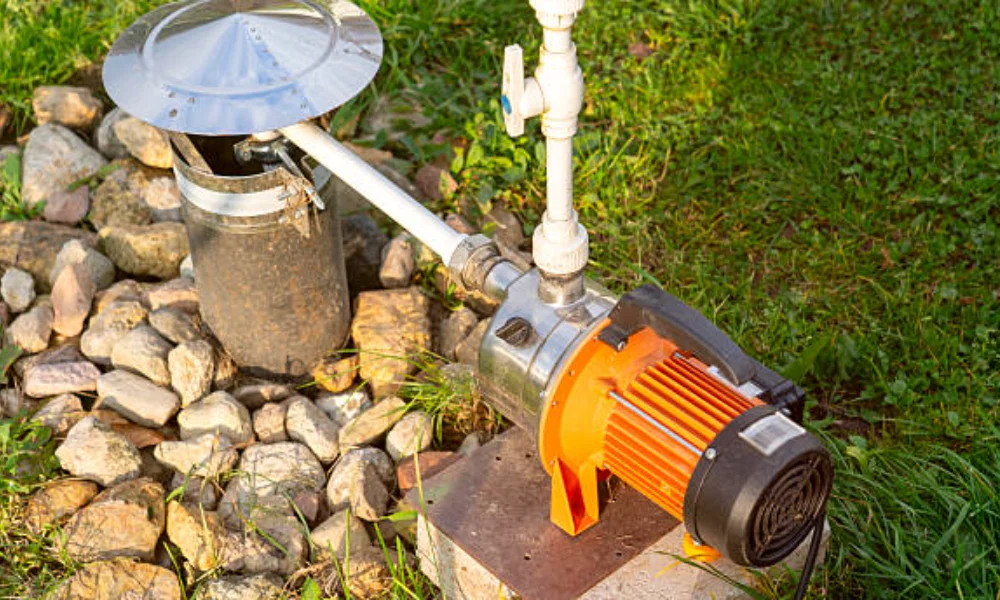
Preventing air from entering the system is the most effective way to avoid repeated priming of a well jet pump. Regular inspection and maintenance keep the pump working reliably. Most issues develop slowly, so small adjustments often prevent larger problems.
Inspecting Check Valves
Check valves stop water from draining back into the well. If these valves wear out or become clogged with debris, the system may lose prime. Periodic inspection ensures they open and close properly.
Monitoring Water Levels
Water levels inside wells can change during dry seasons. Monitoring the well periodically helps identify drops before they affect pump performance.
Ensuring Tight Connections
Loose fittings allow air to enter the suction line. Tightening pipe connections and replacing worn seals helps maintain strong suction.
FAQs
How Much Water Do You Need to Prime a Jet Pump?
The amount depends on pump size and pipe length. Most residential pumps require several gallons of water to completely fill the housing and suction line. The chamber should remain full before restarting the pump.
Can a Well Pump Prime Itself?
Some modern pumps include self-priming features. However, many traditional jet pumps for well systems still require manual priming after maintenance or power loss.
How Can You Tell If a Pump Is Primed?
A properly primed pump builds pressure quickly and delivers a steady water flow. Faucets run smoothly without air bursts, and the pressure gauge rises to normal levels.
Schedule Professional Well Pump Installation With Prime Plumbing & Drains in Noblesville, IN
Reliable water access depends on a well system that works correctly every day. Understanding priming a well jet pump helps you restore water quickly when air enters the system. Proper priming removes trapped air, rebuilds suction, and allows the pump to move water from the well to your home. Factors like well depth, pipe length, and valve condition also influence how easily the pump regains prime.
If your pump repeatedly loses pressure or struggles to move water, professional inspection may be necessary. The experienced team at Prime Plumbing & Drains in Noblesville can evaluate your well system, identify underlying issues, and ensure the pump operates safely and efficiently. Contact our team today to schedule a professional well pump service and keep your home’s water supply running smoothly.